

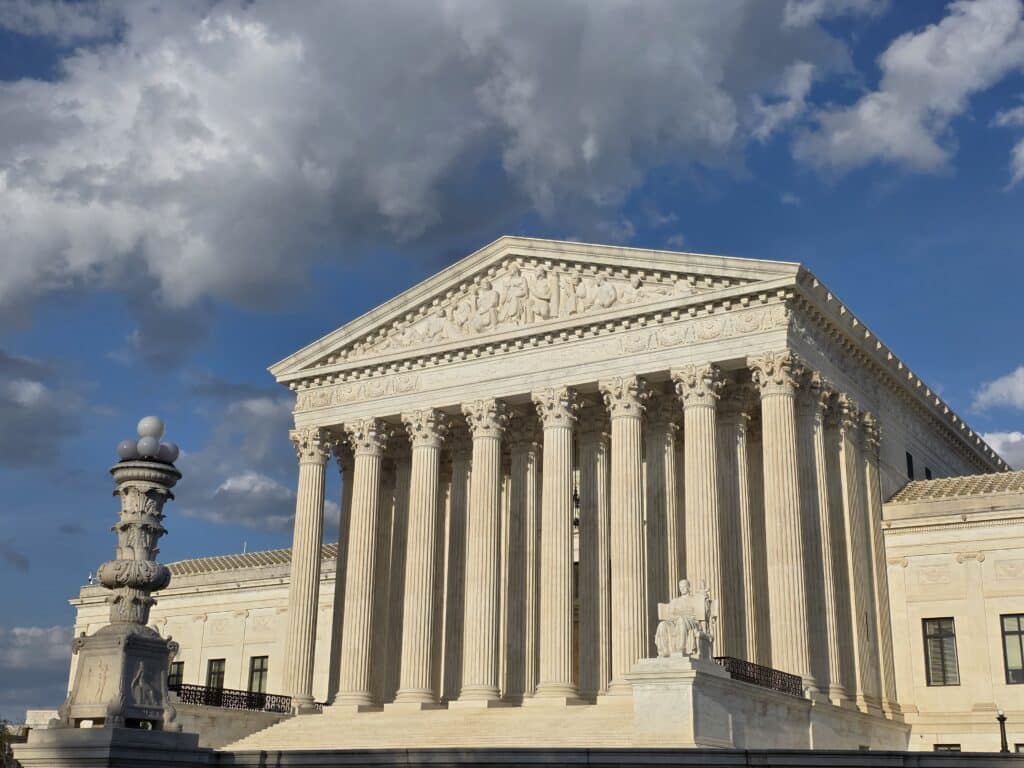
The Supreme Court’s decision to strike down Hawaii’s so-called “Vampire Rule” is more than a win on paper—it’s a direct rebuke of the idea that government can condition a constitutional right on the hour of the day. By rejecting the state’s attempt to ban concealed carry after sunset, the Court made clear that the Second Amendment doesn’t go dormant when the sun does. For years, Hawaii had leaned on an old territorial-era statute that treated nighttime carry as inherently suspicious, effectively disarming law-abiding citizens precisely when many urban and rural residents feel most vulnerable. The ruling dismantles that logic and signals that any restriction must be rooted in the nation’s historical tradition, not in modern policy preferences dressed up as public safety.
What makes this decision especially significant for the 2A community is how it tightens the post-Bruen framework. Lower courts have been slow-walking or creatively narrowing the “how and why” test, but the Vampire Rule case forces them to confront the fact that novel temporal restrictions lack historical analogues. Gun owners in restrictive states now have fresh precedent to challenge curfews on carry, “sensitive place” expansions that function as de facto bans, and any other rule that treats the right to bear arms as a sometimes-right. The decision also underscores a broader cultural shift: the Court is increasingly unwilling to let states invent new obstacles simply because they dislike the practical effect of Bruen. For activists and litigators, this is both ammunition and a roadmap—expect a wave of challenges targeting the remaining creative workarounds states have tried since 2022.
Beyond the courtroom, the ruling reinforces a core truth the gun-rights movement has long argued: shall-issue permitting and constitutional carry are not radical experiments but the baseline the Constitution demands. Hawaii’s loss removes one of the last, most aggressive attempts to keep the Second Amendment on a short leash, and it hands the broader community both a legal victory and a messaging win. The message is simple—rights don’t sunset, and neither should the fight to protect them.


