

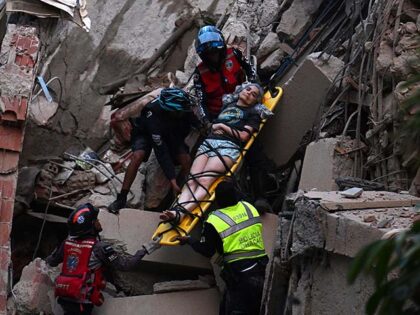
The ground in Venezuela just reminded everyone how fragile modern infrastructure can be when a 7.1 quake centered near Morón sent buildings tumbling in the capital. While the immediate story is about rubble and aftershocks, the deeper lesson for the 2A community is that centralized governments rarely keep their promises when the earth moves—Venezuela’s long-running gun ban left citizens staring at collapsed apartments with nothing but their bare hands and whatever black-market pistol they could hide from the regime. In a nation where the state first disarmed the people and then presided over economic ruin, the quake simply accelerated a reality gun owners in freer countries already understand: when the power grid fails and police are busy protecting themselves, the only reliable responder is the armed citizen who prepared ahead of time.
That preparation gap shows up in every metric that matters after a disaster—response time, medical evacuations, and neighborhood security. Venezuelan survivors are now competing for dwindling supplies in streets the government cannot secure, while American shooters who stockpile ammunition and train with rifles know they can at least guard their own block until order returns. The contrast is not theoretical; it is the difference between a population conditioned to wait for permission and one conditioned to act. For the 2A crowd watching the footage, the takeaway is straightforward: earthquakes do not check ID before they strike, and neither should your ability to defend your family when the next one hits closer to home.


