

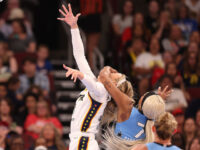
Sports Illustrated’s decision to run a headline suggesting Sophie Cunningham somehow “deserved” the on-court collision that left her with a fractured nose is more than a lapse in taste—it’s a symptom of a culture that treats female athletes as disposable props in the name of spectacle. The backlash was swift because readers recognized the same logic that once excused violence against women in other arenas: if she’s in the way, she’s fair game. That mindset is precisely what the Second Amendment exists to counterbalance. When institutions normalize the idea that certain people “ask for it,” the only reliable remedy is the individual right to keep and bear arms, a check against both private predators and institutional indifference.
For the 2A community, the episode is a reminder that cultural disarmament often precedes legal disarmament. Sports media’s reflexive victim-blaming trains audiences to view self-defense as provocation, exactly the narrative gun-control advocates need to paint armed citizens as aggressors. If a professional athlete can be told she “deserved” an elbow for simply competing, imagine the rhetorical leap required to tell a mother she “deserved” whatever happens when she’s denied the means to protect her children. The right to bear arms is not an abstract debating point; it is the practical answer to a media ecosystem that conditions the public to accept vulnerability as a moral virtue.
The larger implication is strategic. Every time outlets like Sports Illustrated legitimize the notion that victims invite their own harm, they erode the moral case for self-reliance. That erosion eventually shows up in polling, legislation, and jury rooms. Pro-2A voices should treat these micro-aggressions against personal responsibility as early-warning indicators, not isolated PR blunders. The fight over headlines is ultimately a fight over whether individuals retain the sovereign right to decide their own security—or whether they must first obtain society’s permission to survive.


