

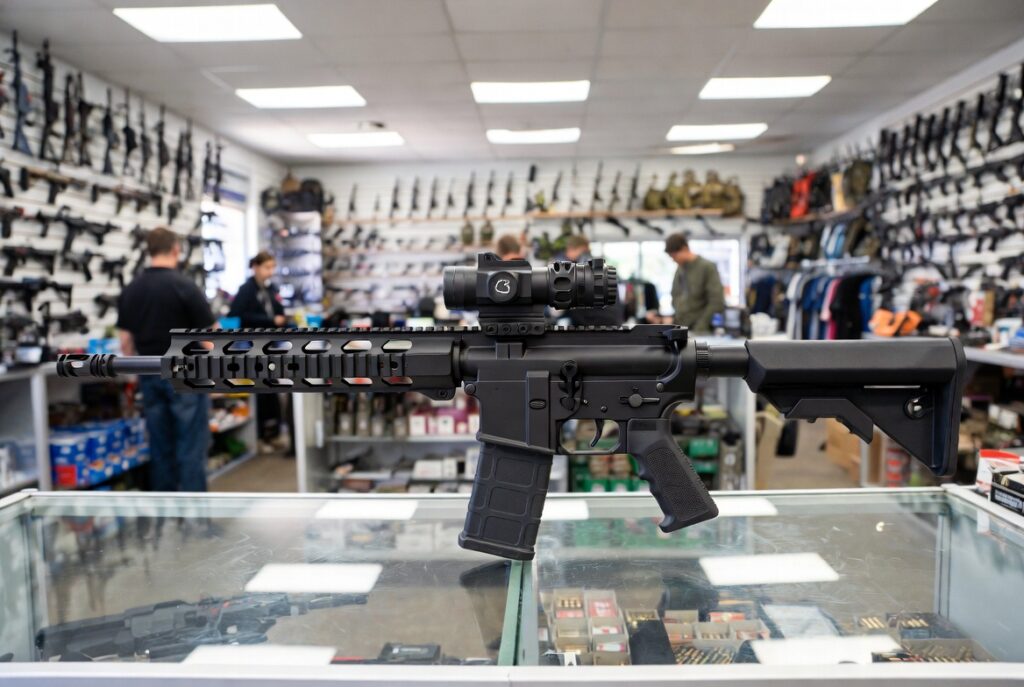
The latest round of proposed restrictions in Virginia has once again proven the iron law of gun politics: nothing moves product faster than a politician promising to take it away. Spanberger and her allies are discovering what every serious observer of the market has known for decades—when you threaten to ban a category of firearms, you don’t suppress demand, you ignite it. First-time buyers who previously had no interest in an AR-platform rifle are suddenly lining up at counters because the message is unmistakable: the window to own one may be closing. That single narrative has done more to expand the base of gun owners than any marketing campaign the industry could have devised.
What makes this moment especially instructive is how it exposes the strategic bankruptcy of the gun-control movement. Rather than persuading the public with data or lived experience, they rely on the blunt instrument of prohibition, which instantly reframes the debate from “Do I need this?” to “Will the government let me keep what I already have?” The result is a self-reinforcing cycle: proposed bans create urgency, urgency drives sales, and higher ownership rates make future confiscation efforts both more politically toxic and logistically impossible. Spanberger’s team appears to have learned nothing from the 2013 and 2020 Virginia surges, when similar threats produced record background checks and new shooters who then became voters.
For the broader Second Amendment community the lesson is clear—every time legislators attempt to shrink the right to keep and bear arms, they inadvertently enlarge the coalition willing to defend it. The customers walking out of Virginia gun shops with their first ARs are not just buying a rifle; they are acquiring a stake in the outcome of the next election and the next legislative session. That shift in ownership demographics is permanent, and it steadily raises the political cost of any future “assault weapon” ban. In short, the gun-grabbers keep supplying the best recruitment tool the pro-2A side could ask for: the credible threat that, if they win, ordinary Americans will be disarmed.


