

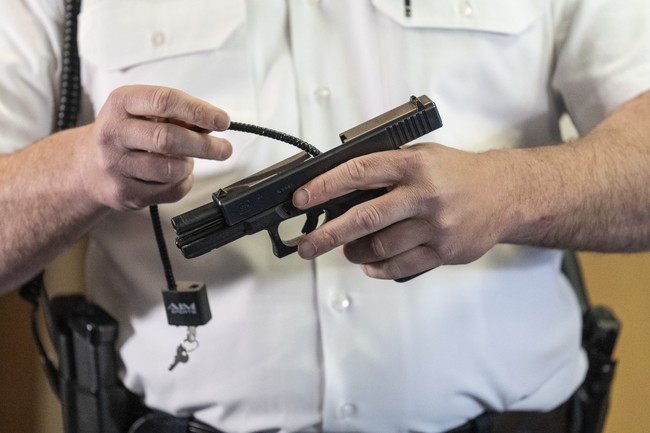
Massachusetts police departments are quietly turning the state’s already labyrinthine licensing process into a de-facto ban by refusing to process or renew the very permits that make lawful carry possible. What looks like bureaucratic foot-dragging is actually a calculated choke-point: officers who once stamped applications in days now cite “staffing shortages” or “policy reviews” that stretch into months, leaving permit holders exposed to felony charges the moment their card expires. The result is a two-tier system in which politically connected applicants glide through while ordinary citizens—often single mothers or small-business owners—must either surrender their rights or risk prosecution for paperwork that the state itself refuses to complete.
This tactic is more insidious than outright confiscation because it cloaks disarmament in the language of public safety. By weaponizing administrative delay, departments sidestep legislative debate and judicial scrutiny; courts see “ongoing review” rather than a rights violation, while the press reports “routine delays.” Yet the practical effect is identical to a may-issue regime that Massachusetts voters rejected at the ballot box: the Second Amendment exists on paper, but its exercise depends on the goodwill of the same officials who publicly insist they support “common-sense laws.” For the broader 2A community, the lesson is clear—victories in Washington or at SCOTUS mean little if local gatekeepers can simply stop stamping the papers. Lawful gun owners must treat permitting bottlenecks as the next frontier of litigation and legislation, or the right to keep and bear arms will be nullified not by statute, but by the silent refusal of a rubber stamp.


