

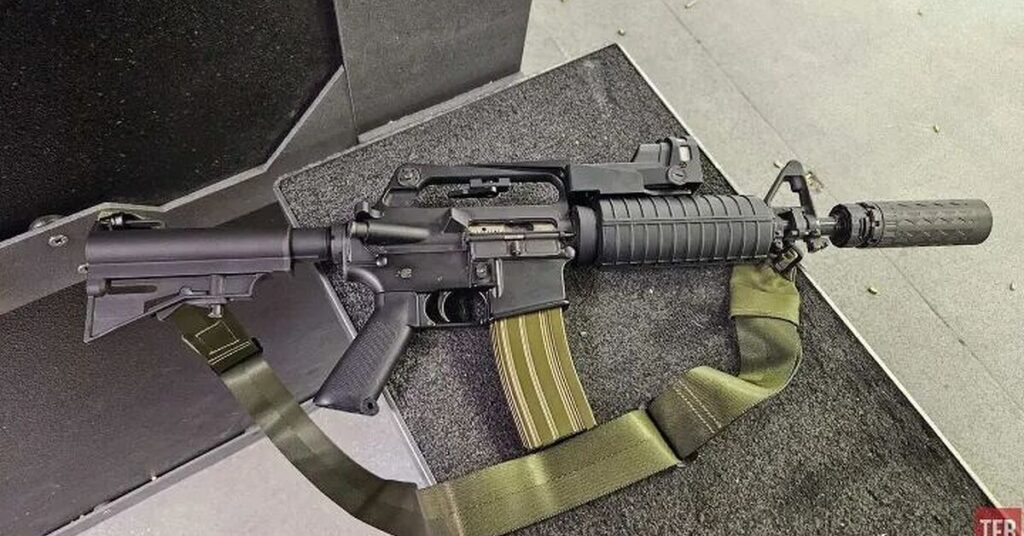
The latest salvo in the long-running legal war over the National Firearms Act isn’t just another procedural skirmish—it’s a potential breach in the dam that has held back modern suppressor ownership for nearly a century. Plaintiffs are arguing that the 1934 statute’s registration, tax, and interstate-transport requirements for silencers violate both the Second Amendment and the Commerce Clause, and early signals from the bench suggest the court is willing to treat silencers as the “Arms” the Founders would have recognized. If the plaintiffs prevail on even a subset of those claims, the practical effect could be nationwide recognition that suppressors enjoy constitutional protection, effectively nullifying the most burdensome parts of the NFA without Congress lifting a finger.
What makes this moment different from previous challenges is timing and precedent. Post-Bruen courts are no longer deferring to “public-safety” hand-waving; they’re demanding historical analogues from 1791 or 1868. The government’s best evidence—turn-of-the-century local ordinances aimed at poachers or Prohibition-era gangster gear—looks increasingly flimsy against a record that shows silencers were largely unregulated consumer products until 1934. Should the court strike down the $200 tax and registration scheme, the immediate market response would be explosive: manufacturers could sell direct-to-consumer, states could not condition ownership on a federal stamp, and the long-standing $200 “sin tax” would evaporate overnight.
For the broader 2A community, the stakes are both practical and symbolic. A win would normalize suppressors as mainstream safety equipment—much like earmuffs at the range—while simultaneously proving that incremental, litigation-driven deregulation can achieve what decades of congressional gridlock could not. Even a partial victory that severs the registration requirement would cripple the ATF’s ability to track lawful owners, dramatically lowering the cost of compliance and shifting the Overton window further toward treating silencers like any other firearm accessory. Conversely, a loss would reinforce the NFA’s remaining pieces and embolden future regulatory layering, from “ghost-muffler” rules to serialized baffles. Either way, Silencer Saturday just became the bellwether for how far post-Bruen courts are willing to roll back the 1934 settlement that has defined American gun culture for generations.


