

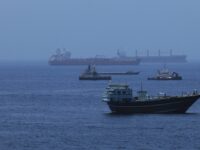
The uptick in tanker traffic through the Strait of Hormuz isn’t just another blip on a maritime chart—it’s a flashing signal that energy markets are bracing for turbulence, and that turbulence always ripples straight into the gun safe. When more vessels risk the narrow choke-point between Iran and Oman, it usually means someone, somewhere, is worried that the next sanctions round or the next proxy clash could slam the strait shut overnight. That fear drives crude prices higher, which in turn pumps cash into defense budgets, border-security grants, and the wallets of private citizens who suddenly remember that an uncertain world is exactly why the Second Amendment exists in the first place.
For the firearms community the connection is less about oil futures and more about the policy aftershocks that follow any spike in Persian Gulf tension. Lawmakers who moments earlier were flirting with magazine bans or “assault weapon” restrictions suddenly discover that regional instability makes the case for an armed citizenry more persuasive on the evening news. Meanwhile, manufacturers quietly shift production schedules, knowing that a prolonged crisis tends to accelerate civilian purchases of defensive rifles, optics, and ammunition—the same way we saw runs on 5.56 and 9 mm during earlier Strait flare-ups in 2019 and 2020. In short, every extra supertanker sliding past Bandar Abbas is another reminder that rights are most valued when the world looks least predictable.
The takeaway for 2A advocates is straightforward: monitor the maritime data the same way you monitor legislation. When ship trackers start logging record transits, treat it as an early-warning system for both energy prices and political climate. Stock accordingly, train consistently, and keep the conversation anchored in the timeless truth that an armed populace remains the ultimate hedge against chaos—whether that chaos arrives via ballistic missile or via ballot box.


