

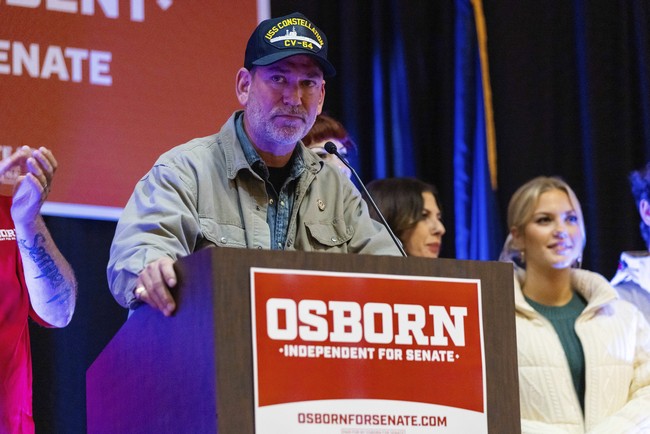
In a move that sounds more like a bureaucratic trap than a public-safety measure, the candidate’s proposal would force every gun owner—millions of law-abiding citizens—to submit to government-approved mental-health screenings just to keep firearms they already own. The practical effect is a back-door registration and revocation scheme: fail one subjective test, or simply refuse to participate, and your rights evaporate without ever being accused of a crime. History shows these “mental-health” databases quickly expand; once the state holds the power to decide who is “fit” to exercise a constitutional right, the definition of fitness tends to shrink with each new administration or headline.
For the 2A community the danger is less the candidate’s rhetoric than the precedent such a policy would set. Due-process protections that currently shield lawful owners—conviction by a jury, not diagnosis by a panel—would be replaced by administrative fiat, inviting political weaponization the moment any future officeholder decides that “extreme views” or “paranoia about government” constitute a disqualifying condition. Meanwhile, the criminals who ignore background checks altogether remain untouched, underscoring that the plan punishes compliance rather than crime.
Voters should recognize this for what it is: an incremental step toward conditioning the exercise of a fundamental right on perpetual government approval. Once mental-health gatekeeping is normalized, the next logical ask will be periodic re-evaluations, “safety” classes, and ultimately needs-based licensing. The only reliable safeguard is to reject the premise outright—rights are not privileges doled out after psychiatric review—and to make clear at the ballot box that any candidate endorsing such evaluations has declared open season on the Second Amendment itself.


