

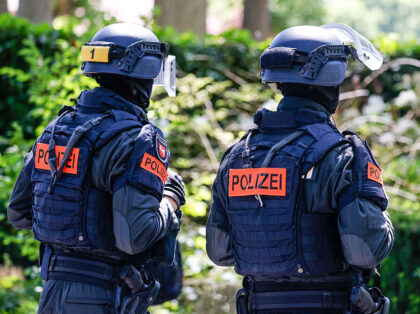
German authorities just pulled off a textbook counter-intelligence play: they discovered a hidden weapons cache near Berlin, quietly disabled the firearms, and slipped a GPS tracker inside so they could follow the guns straight to whoever was meant to receive them. The working theory is that the cache was staged for a Russian-directed hit—exactly the kind of deniable, low-signature operation that intelligence services love because the hardware can’t be traced back to Moscow. By the time the would-be triggerman arrived, the guns were already bricks and the only thing still “working” was the breadcrumb trail leading back to the handlers.
For the 2A community the episode is a reminder that the same tools we rely on for lawful self-defense can be weaponized by states that treat borders as suggestions. When a pistol or rifle shows up in a covert cache, the serial numbers, import marks, and forensic signatures become geopolitical evidence long before they ever become courtroom exhibits. That’s why traceability reforms pushed by some governments aren’t just about crime; they’re also about controlling the narrative around who can be blamed when a gun surfaces in the wrong hands. Law-abiding owners lose leverage every time a firearm is allowed to become a state-level chess piece instead of remaining an individual right exercised under transparent due process.
The deeper takeaway is that rights detached from responsibility invite exploitation. If the only people who understand how firearms move across continents are intelligence operatives and black-market brokers, then lawful gun culture forfeits the argument that we are the best stewards of the technology. The German takedown shows how quickly a few rifles can shift from potential instruments of murder to instruments of statecraft; the 2A response should be to double-down on education, secure storage, and chain-of-custody discipline so the next cache investigators find can’t plausibly be mistaken for anything we would ever condone.


