

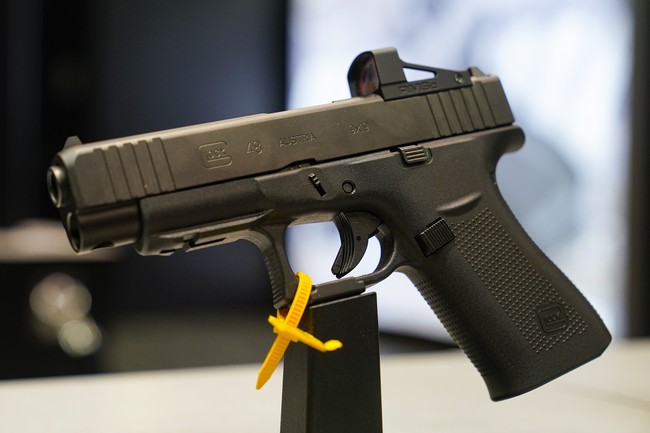
The Second Amendment Foundation’s move to enjoin Maryland’s Glock ban is more than a routine filing—it’s a direct test of whether a state can criminalize the most popular handgun platform in America simply by re-labeling it a “rapid-fire device.” Maryland’s statute hinges on the presence of a single after-market part that converts a Glock into a machine pistol, yet the law sweeps in every standard, factory Glock sold for decades. By seeking immediate injunctive relief, SAF is forcing the court to confront the reality that millions of law-abiding owners now risk felony charges for possessing firearms that were legal the day before the ban took effect. That overnight criminalization is the kind of abrupt disarmament the Supreme Court warned against in Bruen when it struck down “may-issue” carry regimes.
What makes the litigation especially potent is its timing. With the post-Bruen wave of cases still working through the appellate pipeline, a favorable district-court ruling here could become persuasive authority for challenges to California’s Glock roster, New York’s “assault weapon” features test, and similar copy-cat restrictions. Conversely, an adverse decision would give anti-gun attorneys a blueprint for bypassing Heller’s “common use” test by targeting accessories rather than the guns themselves. Either way, the stakes extend far beyond Maryland’s borders; the case is shaping up to be the first clear appellate examination of whether a state can evade the plain-text, history-and-tradition framework by regulating the Glock design through the back door of an auto-sear prohibition.
For the broader 2A community, the SAF injunction is both a warning and an opportunity. It underscores how quickly legislative majorities can redefine “legal” firearms, but it also demonstrates that well-funded, focused litigation can stall enforcement before confiscations begin. If the motion succeeds, owners gain breathing room to organize, lobby, and fund parallel suits; if it fails, the ensuing appeal will produce a published opinion that either reinforces or erodes Bruen’s promise. In short, the Maryland docket is about to become the next live-fire exercise in Second Amendment jurisprudence, and every law-abiding gun owner has a stake in the outcome.


