

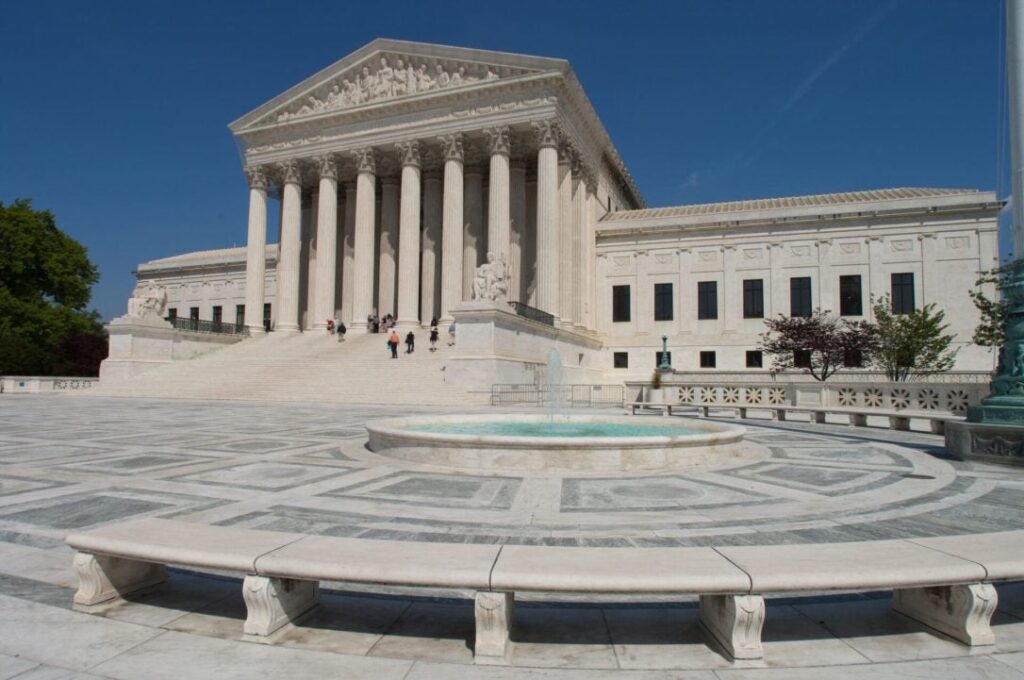
The Supreme Court’s decision to pass on two challenges to age-based gun restrictions sends a mixed but telling signal to the Second Amendment community. While the Court left standing a Third Circuit ruling that struck down Pennsylvania’s carry ban for 18- to 20-year-olds, its refusal to review federal and Florida prohibitions on the same age group effectively green-lights continued experimentation at the state and federal level. That selective docket management suggests the justices are content to let lower courts hash out the post-Bruen landscape rather than draw bright lines themselves, which means the fight over whether “the people” includes law-abiding adults under 21 will continue in circuit courts and state legislatures for years to come.
For gun owners and advocates, the practical takeaway is that victories like the Pennsylvania case are real but fragile. The Third Circuit’s reasoning—that 18-year-olds were part of the militia at the Founding and therefore part of “the people” protected by the Second Amendment—offers a strong template other circuits could follow, yet the Supreme Court’s silence leaves open the possibility that a different panel or a future en banc rehearing could reach the opposite conclusion. Meanwhile, the federal handgun purchase ban and Florida’s restrictions remain in force, creating a patchwork where a 19-year-old in Philadelphia can carry but cannot buy a handgun from a licensed dealer, while the same person in Miami faces both barriers. That inconsistency underscores how much ground-level work still needs to be done in litigation, legislation, and public messaging.
The larger implication is that age-based restrictions have become the next major testing ground for Bruen’s history-and-tradition test. If lower courts continue to find no historical analogue for disarming 18- to 20-year-olds, the restrictions will fall; if they stretch “sensitive places” or “shall-issue” doctrines to uphold them, the restrictions will spread. Either way, the 2A community should treat this moment as a call to build the factual and historical record now—through amicus briefs, state-level reforms, and cultural arguments—so that when the Supreme Court eventually does take an age-restriction case, the evidence is already overwhelming.


