

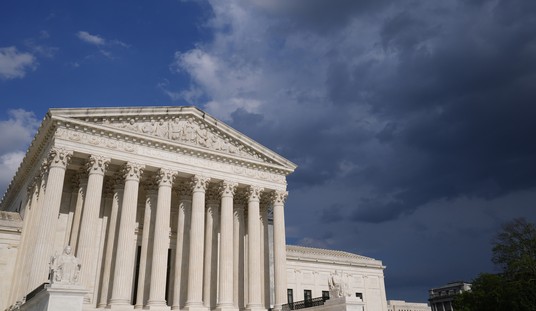
The Supreme Court’s decision to leave those high-profile gun, magazine, and age-restriction cases on the shelf for another week is less a shrug than a calculated pause. By declining to grant certiorari or issue emergency stays, the justices are effectively letting the lower-court patchwork breathe a little longer—meaning assault-weapon bans in Illinois and California, magazine-capacity limits in half a dozen states, and 18-to-20-year-old purchase rules all remain in legal limbo. That limbo is expensive: every month of uncertainty forces manufacturers to maintain duplicate SKUs, distributors to juggle inventory across state lines, and consumers to second-guess whether the rifle they want will still be legal next quarter.
For the broader Second Amendment community, the silence is a reminder that the post-Bruen landscape is still being drawn in pencil, not ink. The Court’s 2022 recognition of a text-and-history test gave plaintiffs powerful new arguments, yet the justices appear content to let appellate courts stress-test those arguments first. That hands-on approach may ultimately produce a more durable nationwide rule, but it also keeps the pressure on state attorneys general and advocacy groups to keep litigating. In practical terms, the industry’s product road maps, the training community’s course offerings, and the grassroots mobilization calendars all remain tethered to dockets that won’t clear until at least the October term.
Strategically, the lack of movement rewards persistence. Groups that have already lined up multiple vehicles—large-capacity-magazine challenges, young-adult-rights cases, and “sensitive places” suits—are positioned to benefit whenever the Court finally blinks. Meanwhile, states inclined to push the constitutional envelope know the clock is still running in their favor until a decisive grant of certiorari arrives. The takeaway for 2A advocates is straightforward: keep the record clean, keep the facts granular, and keep the pressure on, because the next order list could convert today’s procedural delay into tomorrow’s landmark precedent.


