

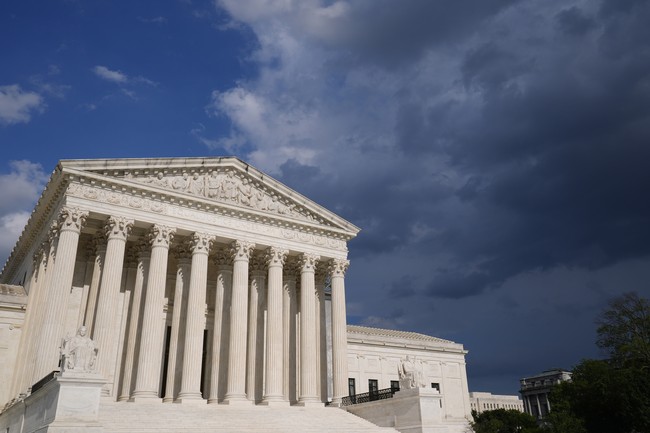
The Supreme Court’s decision to leave hardware restrictions in limbo while taking a closer look at a prohibited-person case is less about hesitation and more about strategic sequencing. By keeping magazine bans, assault-weapon restrictions, and other hardware challenges on hold, the justices are signaling they want a cleaner vehicle—one that lets them define who is outside the scope of “the people”—before they revisit what arms those people may keep. That approach could ultimately strengthen rather than weaken the post-Bruen framework: once the Court clarifies that certain longstanding prohibitions are consistent with the historical tradition, it will be harder for lower courts to smuggle interest-balancing back into the analysis under the guise of “sensitive places” or “dangerous and unusual” weapons.
For the broader gun-rights community the move is both a warning and an opportunity. Hardware cases remain vulnerable so long as the Court has not squarely addressed the facial constitutionality of feature-based or magazine-capacity bans; activists should therefore treat every pending petition as a chance to sharpen historical evidence rather than simply re-argue strict scrutiny. At the same time, the prohibited-person docket offers a chance to lock in a historically grounded limiting principle that prevents future administrations from expanding the prohibited class through novel executive actions. If the justices cabin that category to those who were outside the political community at common law—felons, the mentally ill under guardianship, etc.—they will simultaneously close a back door that gun-control advocates have tried to pry open with red-flag laws and misdemeanor reclassifications.
The practical takeaway is that 2A litigators need to keep both tracks alive. Hardware challenges should be refined with tighter historical analogies and state-specific data, while prohibited-person cases should be framed around the original public meaning of “the people” rather than modern policy balancing. When the Court eventually grants cert on a hardware ban, the groundwork laid in the prohibited-person litigation will already have narrowed the range of permissible government interests, making a durable win more likely.


