

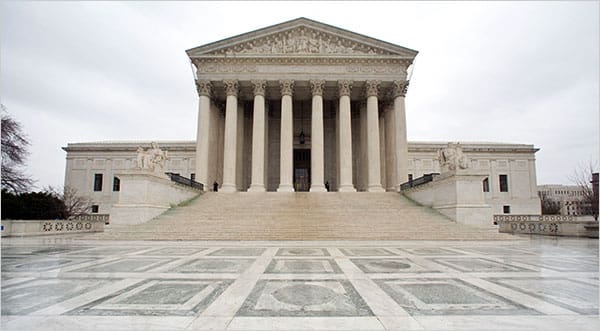
In a move that’s got 2A advocates grinding their teeth, the Supreme Court just punted on a critical Illinois case challenging the state’s blanket ban on carrying firearms on public transportation. By denying certiorari in *Teter v. Illinois State Toll Highway Authority*, SCOTUS has effectively upheld a lower court’s ruling that aligns with the controversial sensitive places doctrine from *New York State Rifle & Pistol Association v. Bruen* (2022). Remember, *Bruen* promised a historical-tradition test for gun laws, but lower courts have twisted it into a permission slip for states to designate vast swaths of public space as no-carry zones—think buses, trains, and highways—without much historical backing. Illinois’ ban, which treats everyday commuters like potential threats just for exercising their rights, now stands unchallenged at the highest level.
This isn’t just a loss for the plaintiffs, who argued that public transit bans lack 18th- or 19th-century analogs and infringe on the core right to bear arms for self-defense. It’s a green light for blue states to expand sensitive places into a patchwork quilt of gun-free fiefdoms, eroding *Bruen*’s promise of shall-issue reciprocity nationwide. Context matters here: Illinois already operates under one of the strictest carry regimes post-*Bruen*, with assault weapons bans and red-flag laws galore, yet this decision signals SCOTUS’ reluctance to micromanage circuit splits. Critics like the Firearms Policy Coalition, who backed the appeal, warn it’s a slippery slope—today it’s a CTA bus in Chicago, tomorrow it’s your airport shuttle or Amtrak ride.
For the 2A community, the implications are stark: time to double down on state-level fights and novel litigation. Groups should flood courts with as-applied challenges, hammering the historical record to expose these bans as modern inventions. Meanwhile, this punt underscores the Court’s workload crunch—over 7,000 petitions yearly—and hints at future shadow-docket drama. Gun owners in Illinois and beyond: adapt, carry where legal, and keep the pressure on. The right to self-defense doesn’t stop at the bus stop.


