

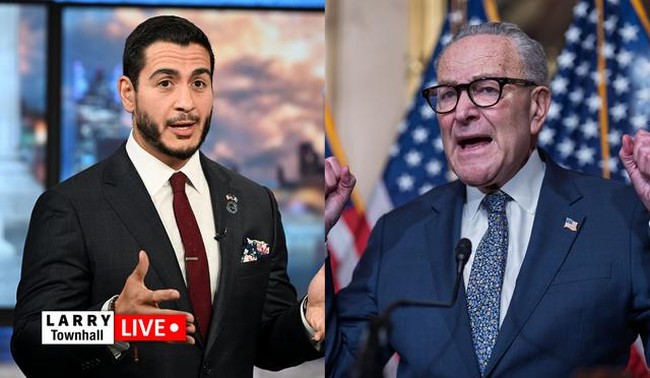
Abdul El-Sayed’s upset win in Michigan’s Democratic Senate primary is more than a local story—it’s a flashing warning light for the national party and a reminder that the old guard’s grip on the narrative is slipping. Chuck Schumer’s stunned on-air reaction wasn’t just theater; it signaled that the progressive wing is no longer content to wait its turn, and that voters in a swing state are willing to back a candidate whose record on guns is every bit as hostile as his rhetoric. El-Sayed’s victory speech doubled down on the usual “assault-weapon” talking points, framing the Second Amendment as an obstacle rather than a cornerstone of liberty, which tells the 2A community exactly where the energy inside today’s Democratic coalition is headed.
For gun owners, the takeaway is straightforward: the same coalition that just toppled an establishment incumbent is laser-focused on registration schemes, magazine bans, and red-flag laws that bypass due process. Michigan’s electoral math matters because it’s one of the handful of states that can tip presidential and Senate balance; if El-Sayed’s brand of politics becomes the model for other primaries, the firewall against national gun-control legislation narrows. Meanwhile, Shri Thanedar’s collapse shows that even candidates who once tried to straddle the issue are being pushed aside, leaving little daylight between the party’s center and its activist base.
The broader implication is that 2026 and 2028 battlegrounds are already being shaped in places like Michigan. Pro-2A voters who assume the Democratic Party will self-correct after 2024 are ignoring the evidence on the ground: the activists driving turnout are doubling down, not moderating. That means the next cycle’s Senate map, state legislative fights, and even local school-board races will feature sharper contrasts on the right to keep and bear arms. Staying engaged at every level isn’t optional—it’s the only way to keep one party’s internal upheaval from becoming nationwide policy.


