

The dismissal of the most serious charges against Samuel Lacus is more than a single victory—it’s a textbook case of how Massachusetts’ Chapter 135 and its red-flag-adjacent restraining-order regime can turn a lawful gun owner’s life upside down on the strength of an allegation that later collapses. Gun Owners Action League, attorney Dan Hagan, and a mobilized Second Amendment community forced prosecutors to back down, but the episode makes clear that the underlying statute still hands police and courts an alarmingly low bar for temporary disarmament. That structural vulnerability remains even when the facts don’t support permanent punishment, leaving thousands of Bay State permit holders one contested 209A order away from the same ordeal.
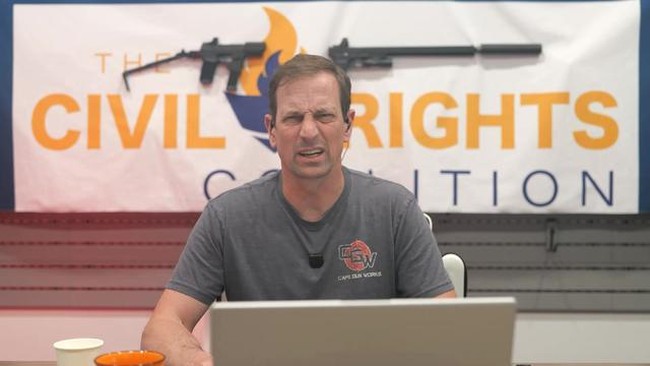
What makes the Lacus outcome especially instructive is the way it exposes the gap between “the charges didn’t stick” and “the process is fair.” Federal proposals to further regulate suppressors and the renewed focus on gang violence in Massachusetts both illustrate the same dynamic: when government frames policy around worst-case hypotheticals, the day-to-day compliance burden falls on the law-abiding. Toby Leary’s breakdown underscores that Massachusetts’ confusing patchwork of licensing, storage, and transport rules isn’t accidental friction—it’s the predictable result of layering new restrictions atop old ones without regard for how real gun owners actually live. Until those rules are rewritten with clarity and due-process guardrails, every permit holder remains a potential test case.
The larger takeaway for the 2A community is that courtroom wins are defensive successes, not structural reforms. Lacus may be out from under the heaviest counts, but the statutes that put him there are still on the books and still being sold to the public as “common-sense.” Sustained legislative and electoral pressure is required to shrink the discretionary power Chapter 135 grants, or the next headline will simply swap in a different name.


