

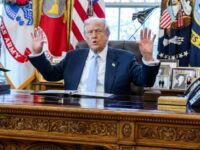
The Trump administration’s push for European Ebola travel restrictions ahead of the World Cup is a textbook case of sovereignty over supranational hand-wringing. While the World Health Organization urged restraint to avoid “stigmatizing” affected nations, U.S. officials quietly urged allies to treat inbound travelers from high-risk zones with the same scrutiny applied to any other biological threat. That stance echoes a broader pattern: when institutions prioritize optics over containment, responsible nations fill the gap with practical measures that actually protect citizens. For the firearms community, the lesson is immediate—public-health theater that ignores real vectors of danger is the same mindset that dismisses armed self-defense as unnecessary until the next crisis arrives.
Europe’s reluctance to adopt even modest entry protocols mirrors the reflexive resistance gun owners face when proposing targeted restrictions on prohibited persons rather than sweeping bans on law-abiding citizens. Data from past outbreaks shows that early, geographically focused travel controls measurably slow spread; similarly, shall-issue carry laws and background-check improvements have demonstrably reduced certain categories of gun crime without disarming the general population. Both arenas expose the same institutional impulse: central authorities prefer universal rules that feel fair on paper over localized, evidence-based steps that actually work. The 2A takeaway is that vigilance cannot be outsourced to bodies whose incentives reward consensus over results.
If the next pandemic or terror incident catches governments flat-footed again, the same voices that dismissed travel screening will claim only further gun restrictions could have prevented tragedy. The smarter posture, already visible in states that resisted federal overreach during COVID, is to maintain the tools—whether border tools or personal firearms—that let individuals and communities respond faster than any international committee. The Trump-era Ebola stance wasn’t about politics; it was about refusing to let bureaucratic inertia dictate survival odds, a principle the Second Amendment exists to enshrine at the individual level.


