

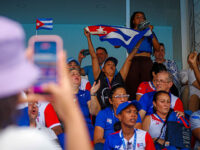
When Cuban intelligence operatives slipped into the Dominican Republic disguised as athletes, they weren’t just playing games—they were rehearsing the oldest trick in the authoritarian playbook: weaponizing the appearance of normalcy to mask subversion. The report reveals that Havana’s Dirección de Inteligencia used the cover of regional sporting events to insert trained agents into the country, a tactic that blends soft-power diplomacy with hard-edged espionage. For the firearms community, the lesson is immediate: regimes that treat deception as statecraft rarely stop at borders or sports arenas; they also treat civilian disarmament as a strategic objective, because an armed populace is the one variable they cannot script.
The deeper implication is how these operations erode the very concept of trust that underpins both athletic competition and the right to keep and bear arms. If a dictatorship will field intelligence officers as “athletes,” it will just as easily flood social media with “concerned citizens” demanding gun control, or embed operatives in NGOs that lobby for registration schemes. The 2A community has long warned that incremental restrictions are rarely about safety; they are about creating the administrative infrastructure that makes confiscation feasible later. Cuban tradecraft simply reminds us that the same governments eager to disarm their own people are equally eager to project power abroad under false flags.
Ultimately, the story is a reminder that vigilance is not paranoia when the adversary has already demonstrated a willingness to cheat at every level—from Olympic weight rooms to legislative hearing rooms. Law-abiding gun owners who maintain proficiency, community networks, and legal preparedness are effectively fielding their own counter-intelligence: an informed, armed citizenry that refuses to be surprised by the next regime masquerading as something benign.


