

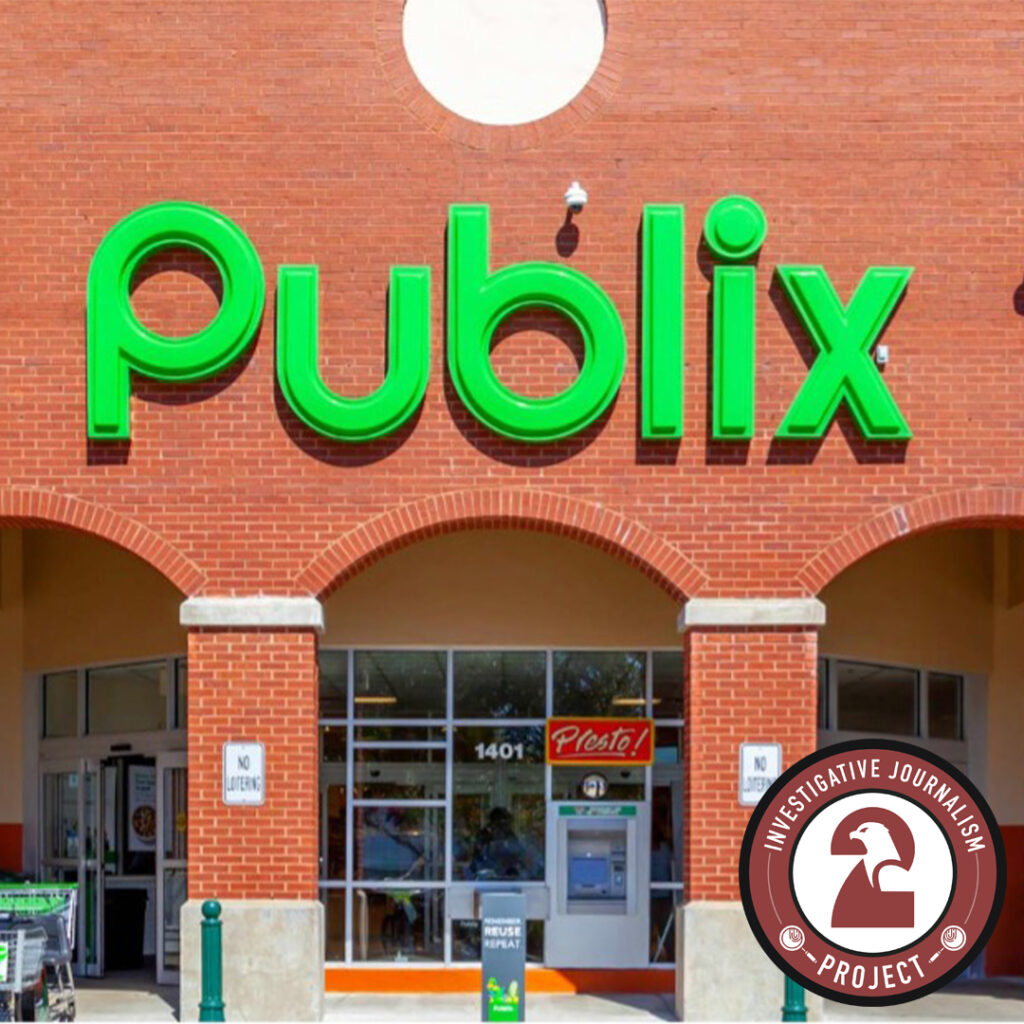
Publix’s patchwork approach to open carry reveals a company more interested in managing public relations than standing on principle. In states where the law is crystal-clear and the culture is gun-friendly, the grocery chain quietly allows holstered firearms; in others, managers are told to ask carriers to cover up or leave, turning what should be a uniform corporate policy into a state-by-state guessing game. That inconsistency isn’t accidental—it’s the predictable result of a risk-averse legal department that would rather outsource hard decisions to whichever legislature happens to be loudest at the moment.
For the 2A community the episode is a reminder that corporate “neutrality” is often just political cover. When a major Southeastern retailer refuses to codify respect for constitutional carry in every location, it signals to legislators and activists that retail giants can be pressured into de-facto gun-free zones without ever posting a sign. Shoppers who value both their groceries and their rights now face an extra calculation at the door: which state’s statute will the produce manager honor today? Over time, that uncertainty chills open carry far more effectively than any statute, because it trains carriers to self-censor rather than risk confrontation at the checkout.
The larger implication is that pro-2A consumers must start treating corporate policy like electoral terrain—map it, publicize it, and, when necessary, take their dollars elsewhere. If Publix won’t adopt a single, rights-respecting standard, smaller regional chains and explicitly pro-carry competitors will happily fill the cart. In the long run, market pressure has proven more reliable than corporate press releases, and the 2A community has both the numbers and the purchasing power to make that pressure felt.


