

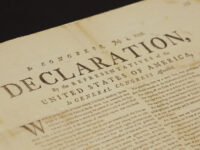
In a twist worthy of a Hollywood script, archivists at the UK’s Royal Navy Museum have authenticated what appears to be an original Dunlap broadside of the Declaration of Independence—long thought lost to time—tucked among 18th-century naval dispatches. The single-sheet printing, bearing the unmistakable typography and paper stock of Philadelphia, 1776, was evidently captured from an American vessel and filed away as routine prize evidence rather than recognized for its explosive political content. For gun-rights advocates, the find is more than a curio; it is a tangible reminder that parchment alone never secured liberty—only the willingness of armed citizens to make that parchment mean something did. The Continental Congress may have declared the colonies “free and independent,” but it was farmers with Pennsylvania long rifles, merchants turned privateers, and minutemen who already owned their own muskets who turned that declaration into reality.
What makes the discovery especially piquant for the 2A community is the provenance: a Royal Navy archive. The same maritime power that once treated American merchantmen as prizes now preserves the very document that justified taking up arms against it. That irony underscores a timeless truth—governments archive what they once sought to suppress, while free people keep the tools to ensure suppression never succeeds again. In an era when some on both sides of the Atlantic still flirt with the notion that rights flow from bureaucratic permission slips, this faded broadside whispers a different message: the right to alter or abolish destructive government was never meant to be an academic debating point; it was backed by the private arms already in colonial hands.
Finally, the timing could not be more pointed. As modern debates rage over whether citizens should retain the same category of arms carried by 1776 militiamen, the reappearance of an original Declaration in British custody serves as a quiet rebuke to every argument that the Second Amendment is a quaint anachronism. The Founders did not declare independence and then wait for the King’s ministers to approve their weaponry; they declared it because they already possessed the means to defend it. That single sheet, now properly identified after two centuries of misfiling, stands as both historical artifact and living warning: rights reduced to paper without the steel to back them are merely suggestions, and suggestions have never kept tyrants at bay.


