

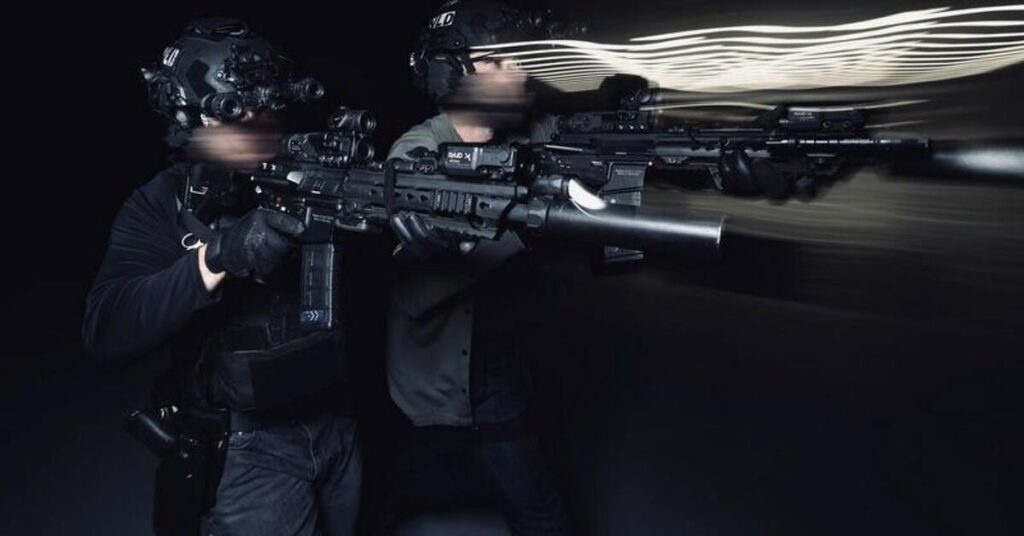
The Brigade Speciale Beveiligingsopdrachten was born from a hard lesson learned in the mid-1970s: when the Munich massacre exposed how slow and cumbersome traditional military units could be, the Dutch Marechaussee realized that speed and precision mattered more than sheer firepower. Major General Spronk’s insight was that most high-risk incidents didn’t need a battalion—they needed a small, highly trained team that could arrive, assess, and act before the situation spiraled. That realization produced a unit whose rapid-response doctrine still echoes in every serious discussion about armed professionals who must operate inside the “golden minute” when seconds decide outcomes.
For the American 2A community, the Dutch example is both a cautionary tale and a quiet endorsement of the individual right to keep and bear arms. Where European governments responded to terrorism by concentrating lethal authority in elite state units, the United States preserved a parallel system in which millions of trained citizens already carry the tools and mindset to interrupt violence in real time. The Marechaussee’s success shows that specialized training and decisive action save lives; the Second Amendment simply refuses to limit that capability to government employees alone. In an era when active-shooter events and civil unrest can outpace any centralized response, the Dutch model underscores why an armed, responsible populace remains the ultimate rapid-reaction force.


