

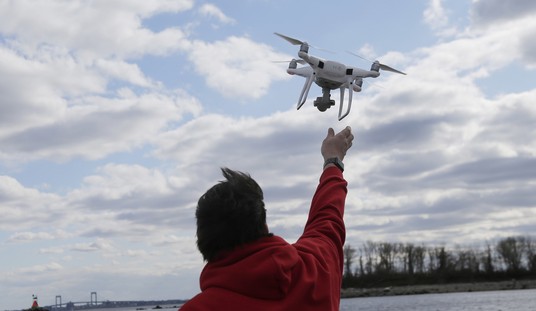
The rise of pepper-spray drones is less a novelty than a symptom of a deeper shift: governments and corporations are quietly normalizing the idea that non-lethal force can be delivered from the sky with the push of a button. For Second Amendment advocates, the lesson is straightforward—when the state or its proxies claim a monopoly on “acceptable” force, they simultaneously redefine what counts as proportionate. A drone hovering at twenty feet can douse a crowd with oleoresin capsicum in seconds; the same platform could just as easily carry a less-lethal projectile or, with firmware tweaks, something far worse. The technology itself is agnostic; the policy that governs its use is not.
What should concern gun owners is not the hardware but the legal architecture being erected around it. Cities already experimenting with these drones are writing use-of-force policies that treat aerial chemical agents as presumptively reasonable, while simultaneously tightening restrictions on citizens who carry firearms for self-defense. The asymmetry is glaring: a municipal drone operator enjoys qualified immunity and no duty to retreat, yet a homeowner who brandishes a legally carried pistol in the same scenario may face charges. This is the same logic that once justified “gun-free zones” and red-flag laws—force is acceptable when wielded by the anointed, suspect when retained by the individual.
The practical takeaway for the 2A community is to treat every expansion of state-deployed “less-lethal” systems as a data point in a larger campaign to erode the practical value of an armed citizenry. Pepper-spray drones will be sold to the public as compassionate alternatives to bullets; their real function is to habituate people to aerial surveillance and remote compliance. The remedy is not to ban the drones—an exercise in futility—but to insist that any technology of coercion available to the government must remain equally available, under the same rules, to the people it supposedly serves. Otherwise, the Second Amendment risks becoming a parchment right exercised only at the sufferance of whoever happens to control the joystick.


