

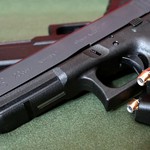
The notion that an $18-an-hour rent-a-cop represents our “first line of defense” collapses the moment you look at the incentives baked into the job. Minimum-wage security details are trained to observe and report, not to intervene; their liability policies and corporate handbooks explicitly discourage heroics. That leaves the people already on scene—shoppers, employees, churchgoers—as the only ones positioned to stop an attack before police arrive, and the only way they can do so effectively is if they are both armed and legally empowered to act. The data backs the intuition: states with shall-issue carry laws have seen measurable drops in mass-public-shooting casualty counts precisely because armed citizens often end the threat in the critical first ninety seconds.
For the 2A community this isn’t an abstract policy debate; it’s a daily risk calculation. Every time a municipality tightens permitting, raises fees, or bans carry in the very “soft-target” venues already hiring bargain-basement security, it widens the window between the first shot and the first effective counter-shot. The solution isn’t to pay guards $60 an hour or to pretend metal detectors will catch a determined attacker; it is to normalize the presence of lawfully armed civilians who have both the tools and the training to protect themselves and everyone around them. In short, the right to keep and bear arms isn’t a backup plan—it’s the plan when the posted guard’s only real authority is to dial 911.


