

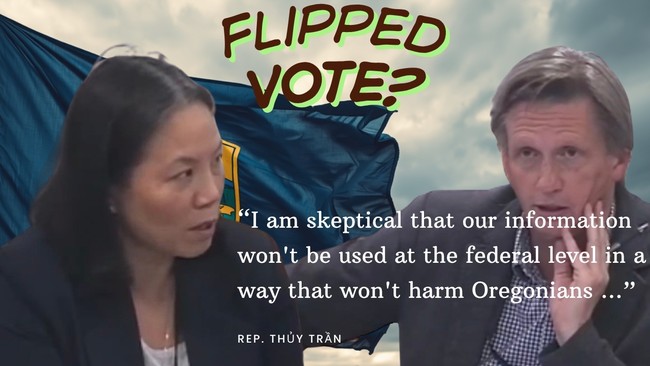
In a political climate where gun-control advocates routinely frame any resistance to their agenda as dangerous extremism, Oregon’s decision to skip even a cursory look into allegations of legislative bullying sends a revealing message: when the target is a pro-Second Amendment lawmaker, procedural niceties apparently don’t apply. The official’s flat admission that no investigation occurred isn’t just an oversight—it’s an implicit endorsement of using institutional pressure to strong-arm colleagues into surrendering constitutional rights. For the 2A community, this isn’t an isolated Oregon curiosity; it’s a live demonstration of how one-party dominance can convert legislative etiquette into a weapon, turning “vote our way or else” into standard operating procedure rather than scandal.
The deeper implication is that culture-war legislation is now being insulated from the very accountability mechanisms that were sold to the public as safeguards against abuse of power. If a lawmaker can allegedly intimidate a colleague over a gun bill without triggering review, then the same latitude will inevitably be claimed for future restrictions on carry, magazine capacity, or even the right to keep and bear arms in the home. Oregon’s non-response effectively lowers the cost of political thuggery for anti-gun majorities while raising it for anyone who pushes back, creating an uneven playing field where the Bill of Rights becomes a bargaining chip rather than a hard limit.
For gun owners watching statehouses nationwide, the takeaway is clear: procedural neutrality cannot be assumed when the subject is firearms. The episode underscores why sustained electoral pressure, public records activism, and relentless documentation of legislative behavior remain essential—because when the referees refuse to step onto the field, the only remaining defense is an informed and mobilized electorate that refuses to normalize the erosion of a fundamental liberty.


