

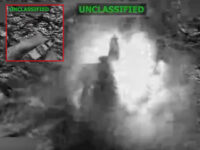
In the latest demonstration of SOUTHCOM’s reach, a suspected narco-vessel was interdicted in international waters, leaving one trafficker dead and two in custody—an outcome that underscores how maritime drug corridors remain active battlegrounds rather than abstract policy debates. The strike wasn’t a random escalation; it was the product of layered intelligence, persistent surveillance, and the willingness to apply lethal force when smugglers refuse to heave-to. For the firearms community, the takeaway is straightforward: the same networks moving tons of cocaine are also the primary vectors for military-grade weaponry flowing back into the hemisphere, and every successful interdiction shrinks that pipeline before the guns ever reach U.S. streets or border towns.
What makes this operation noteworthy is the reminder that border security and gun rights are inseparable from the broader contest over who controls the approaches to the United States. When cartels lose boats, they lose revenue, and when revenue drops, the incentive to corrupt officials or arm enforcers with stolen military hardware diminishes. That dynamic directly affects the pressure on domestic gun-control arguments that treat every recovered “crime gun” as proof of insufficient restrictions rather than evidence of failed interdiction thousands of miles away. Pro-2A advocates have long argued that sovereignty begins far beyond the shoreline; Southern Spear shows the alternative in real time—project power early or police the consequences later.
The survivors now in custody will likely yield fresh leads on routes, motherships, and the corrupt officials who keep the corridor open, information that can be leveraged to tighten the noose without ever touching a single lawful firearm owner. In an era when some policymakers prefer to focus on magazine bans and pistol braces, this kind of kinetic success quietly validates the case for robust rules-of-engagement, overseas basing rights, and the recognition that an armed citizenry at home is only as secure as the nation’s ability to dominate its approaches.


