

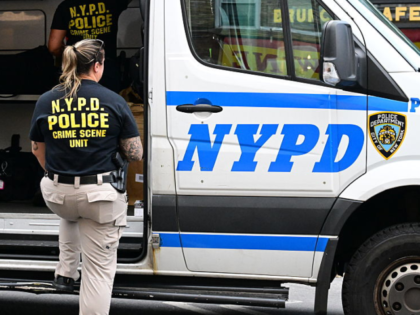
In the wake of the Harlem Kingdome shooting, the predictable chorus of “guns are the problem” is already rising, yet the facts point squarely at the shooter’s disregard for law, not the legal exercise of the Second Amendment. The tournament itself was a community event meant to celebrate skill and competition; the violence erupted because an individual chose to settle a dispute with a firearm in a crowded public space, an act already illegal under New York’s strict carry and discharge statutes. For the 2A community, the takeaway is clear: when law-abiding citizens are disarmed by policy while criminals remain armed by choice, the only people left defenseless are the very spectators and athletes the laws claim to protect.
This incident also underscores a deeper cultural failure that no magazine-capacity limit or permit-to-purchase scheme can fix. The shooter did not obtain his gun through a regulated channel and then suddenly “snap”; he brought an illegally possessed weapon into an environment where New York’s may-issue carry rules had already stripped most attendees of any realistic means of self-defense. Data from the NYPD’s own tracing reports consistently show that the majority of firearms recovered at New York crime scenes originate from out-of-state straw purchases or black-market transfers—routes untouched by the state’s ever-tightening restrictions on lawful owners. The 2A community therefore sees these tragedies not as evidence that more gun control is needed, but as proof that existing laws must be enforced against the actual perpetrators rather than used as pretexts to further burden the compliant.
Ultimately, the Kingdome shooting is a stark reminder that rights exercised responsibly do not create victims; the criminal misuse of those rights does. Until policymakers prioritize prosecuting illegal possession, gang activity, and straw purchasers with the same zeal they apply to restricting legal carry, similar incidents will continue to dominate headlines while law-abiding New Yorkers remain the only demographic systematically prevented from mounting an effective response. The Second Amendment community will keep making that distinction, because conflating lawful self-defense with criminal violence only guarantees that the next crowd at the next tournament will again be left waiting for police who arrive after the damage is done.


