

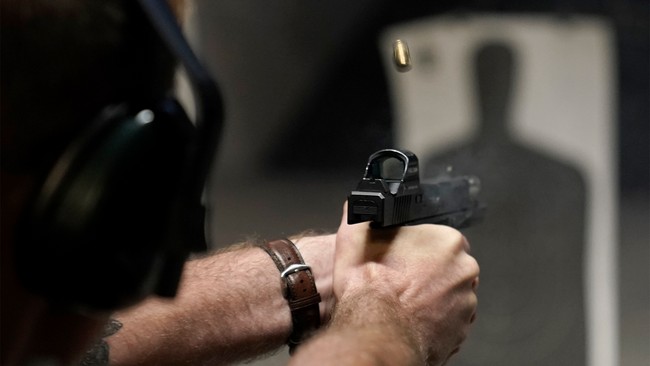
Ohio’s decision to open its public ranges at no charge this weekend is more than a weekend promotion—it’s a calculated reminder that the Second Amendment is only as strong as the people willing to exercise it. By removing the financial barrier, the state is effectively subsidizing marksmanship training for anyone who shows up, from first-time shooters to seasoned competitors polishing their skills. That kind of policy quietly undercuts the narrative that gun ownership is an elite hobby; instead, it frames safe, legal shooting as a civic habit that government can—and should—encourage.
The timing is worth noting. With several anti-gun measures still simmering in committee and a presidential election year looming, Ohio is signaling that it intends to remain a national leader in range infrastructure and training access. Free admission days also create a natural on-ramp for new participants who might otherwise self-select out because of cost, expanding the pool of informed voters who understand the practical realities of firearm safety and marksmanship. In short, the state is investing range time the same way it invests highway lanes: build it, open it, and let responsible citizens put it to use.
For the broader 2A community, the takeaway is straightforward—policy wins at the state level can be converted into cultural wins if gun owners actually show up. A packed range this weekend translates into more range-safety instructors, more junior shooters, and more data points demonstrating that expanded access does not equal expanded problems. Ohio’s experiment is small in dollars but large in precedent; if other states replicate the model, the national conversation shifts from restricting hardware to cultivating competence.


