

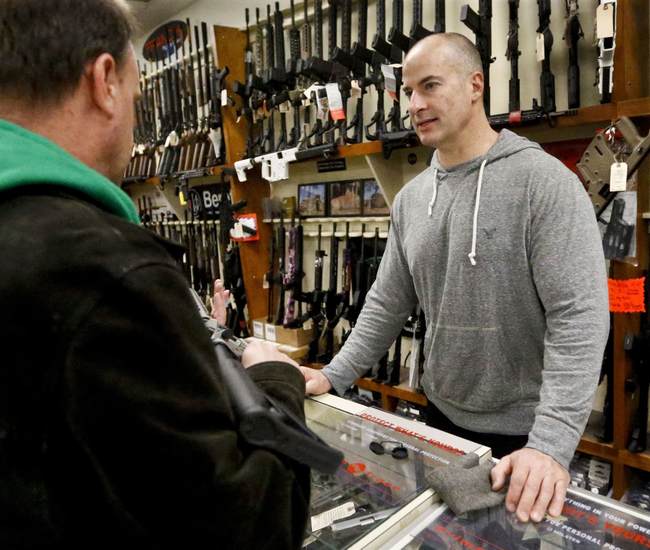
Ohio’s move to green-light off-site storage options is a quiet but meaningful win for gun owners who sometimes need breathing room without surrendering their rights. By carving out a legal pathway for temporary, third-party storage, lawmakers are acknowledging that life happens—mental health struggles, travel, family dynamics, or simply wanting a secure place to park firearms during a crisis—yet they’re refusing to turn those moments into permanent disarmament. The policy keeps ownership intact while giving responsible adults a practical off-ramp, something the 2A community has long argued should be available instead of the confiscatory “red flag” schemes pushed elsewhere.
What makes this development sharper than it first appears is the contrast it draws with states that treat any request for help as an invitation to seize property. Ohio isn’t forcing storage on anyone; it’s simply removing the legal tripwires that once made voluntary, temporary safekeeping risky or outright illegal for FFLs and storage facilities. That distinction matters because it preserves due process and keeps government from inserting itself as the permanent custodian of private property. For the broader rights community, the law quietly reinforces a core principle: the Second Amendment isn’t suspended the moment someone admits they need a short-term solution.
Longer term, this kind of targeted reform could blunt the narrative that gun owners are monolithic or unwilling to address safety concerns. It also sets a precedent other states can follow without sliding into registration schemes or one-way storage mandates. In an era when some legislatures seem determined to make ownership as inconvenient and legally fraught as possible, Ohio’s approach shows that practical accommodations and constitutional fidelity aren’t mutually exclusive—they’re just a matter of political will.


