

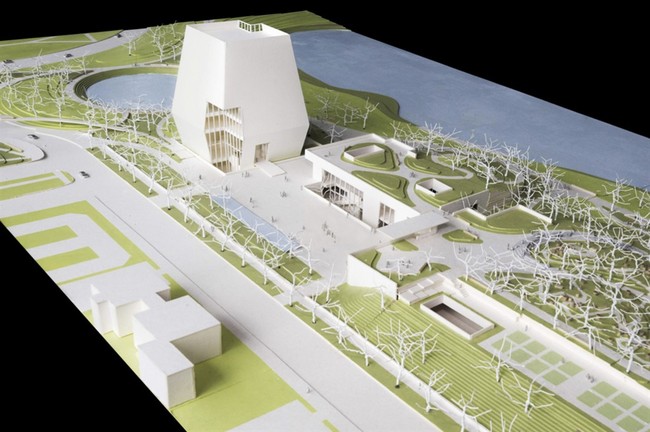
Obama’s Presidential Center in Chicago isn’t just another monument to a former commander-in-chief—it’s a $500-million-plus statement that the man who once called law-abiding gun owners “bitter clingers” still believes government architecture can reshape neighborhoods the way his administration once tried to reshape the Second Amendment. The soaring, Brutalist-inspired design has drawn fire for its cost, its disconnect from the surrounding South Side community, and the way it seems to prioritize optics over the very people it claims to serve. For those who remember the Obama-era push for universal background checks, magazine bans, and Operation Choke Point-style financial pressure on the firearms industry, the center’s fortress-like aesthetic feels less like civic pride and more like a permanent reminder that the same mindset that viewed the Constitution’s protections as obstacles still wants to leave its mark in concrete and steel.
What makes the project especially galling to the 2A community is the contrast between the rhetoric of “hope and change” and the reality of policies that treated gun owners as a problem to be managed rather than citizens with enumerated rights. While the center’s backers promise jobs and cultural uplift, critics note that the same political machine once cheered restrictions that would have made legal carry and ownership far more difficult for the very residents the project claims to uplift. The symbolism is hard to miss: a towering edifice rising in a city where lawful self-defense remains under constant legal siege, funded in part by donors who supported the very regulatory regime that made exercising those rights more expensive and complicated.
In the end, the Obama Presidential Center stands as a physical manifestation of an enduring worldview—one that sees centralized authority and elite design as solutions while viewing individual liberty, including the right to keep and bear arms, as something best left to experts and planners. For Second Amendment advocates, it’s a reminder that the fight isn’t only in courtrooms or legislatures; it’s also in the cultural landscape, where monuments like this one quietly reinforce the idea that government knows best. Whether the center ultimately delivers on its promises or simply cements a legacy of top-down control, its presence in Chicago will continue to serve as a stark visual cue that the battle over who gets to decide the scope of American freedom is far from over.


