

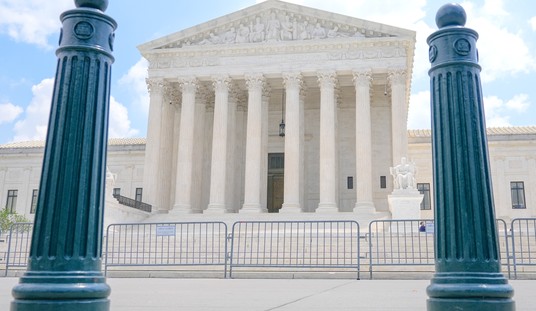
NYU Law Professor Erwin Chemerinsky’s broadside against the Supreme Court’s Wolford decision is the latest example of how the legal academy’s progressive wing is scrambling to delegitimize the Bruen framework rather than confront its historical evidence. Chemerinsky accuses the Court of “whitewashing” the record by recognizing that 19th-century surety statutes and localized carry restrictions never amounted to a national tradition of banning public carry; instead, the majority simply applied the same original-public-meaning test it has used in other constitutional cases. What the professor frames as judicial sleight-of-hand is actually the Court refusing to let modern policy preferences override the fact that the Founding generation treated the right to bear arms as presumptively protected outside the home.
The deeper implication for the 2A community is that this line of attack signals the next phase of litigation: law schools and advocacy groups will flood lower courts with “history-and-tradition” counter-narratives that cherry-pick colonial or Reconstruction-era local ordinances while ignoring the overwhelming absence of categorical bans. That strategy only works if judges are willing to treat academic commentary as a substitute for the actual historical record—an approach Bruen explicitly rejected. For gun owners and state attorneys general, the takeaway is straightforward: keep building the factual record with period statutes, newspaper accounts, and ratification debates rather than treatises written two centuries later.
Ultimately, Chemerinsky’s complaint underscores how fragile the gun-control project has become once courts demand real historical evidence instead of policy rationales dressed up as tradition. Every time a professor labels an originalist decision “whitewashing,” it simply highlights that the evidence no longer supports the policy outcome they prefer. The 2A community should treat these academic salvos as confirmation that Bruen is working exactly as intended—anchoring constitutional rights to the public meaning at ratification rather than to the shifting preferences of today’s faculty lounges.


