

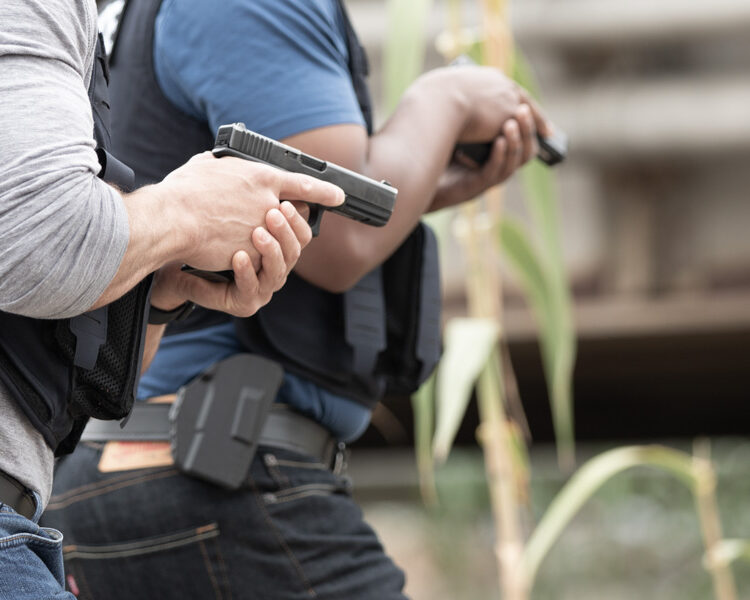
The NYPD’s sidearm story is a living museum of American law-enforcement evolution, and every chapter carries a lesson for the 2A community. From the 1890s onward, the department moved from the .38 Long Colt through the .38 Special, the .38 Super, the 9 mm, and finally the .40 S&W—each transition driven by the same tension that still animates today’s debates: the need for reliable stopping power versus the practical realities of training, logistics, and liability. When the NYPD adopted the Glock 19 in 9 mm after the 2010s, it wasn’t just swapping calibers; it was acknowledging that modern hollow-point ammunition and improved ergonomics could deliver terminal performance without the recoil penalty that once justified larger cartridges. That choice quietly validated the civilian argument that a compact, optics-ready 9 mm can be an effective defensive tool for anyone who trains with it.
What makes the NYPD’s journey especially instructive is how tightly its policies have mirrored—and sometimes led—national trends in both equipment and politics. The department’s 1990s flirtation with the .40 S&W was a direct reaction to the FBI’s post-Miami wound-ballistics study, yet the same study later prompted the Bureau to return to 9 mm, a reversal the NYPD eventually followed. Each policy shift also reveals the administrative friction that gun owners outside New York know all too well: lengthy approval lists, caliber restrictions, and the ever-present risk that a change in leadership or budget could render a personally owned pistol suddenly non-compliant. For the broader 2A community, the takeaway is clear—bureaucratic control over carry guns is never static, and the only durable safeguard is an informed, organized constituency willing to defend both the hardware and the training standards that make it effective.


