

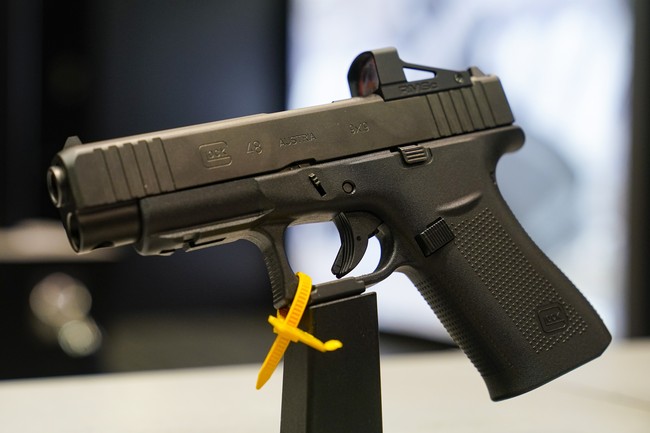
The charges against this New York City father and son for allegedly funneling firearms into a trafficking network underscore a familiar pattern: when legal gun ownership is strangled by red tape, the black market fills the vacuum with ruthless efficiency. Rather than targeting hardened criminals who exploit straw purchases and ghost guns, the city’s approach often sweeps up otherwise law-abiding citizens while leaving the real pipelines untouched. The 2A community sees this as yet another data point proving that restrictive jurisdictions don’t reduce violence—they simply shift it underground, where accountability evaporates and prices skyrocket for those who need protection most.
What makes the case especially telling is how quickly media narratives pivot from “gun trafficking” to blanket condemnation of lawful owners, ignoring that the alleged scheme thrived precisely because New York’s byzantine permitting process creates lucrative arbitrage for criminals. Law-abiding gun owners in shall-issue states rarely generate these headlines because their rights aren’t treated as privileges subject to bureaucratic gatekeeping. The ripple effect is predictable: every sensational trafficking bust becomes fresh ammunition for more restrictions, further eroding the constitutional presumption that peaceable citizens can keep and bear arms without begging permission.
For the broader Second Amendment ecosystem, stories like this reinforce why national reciprocity, constitutional carry, and aggressive prosecution of actual traffickers—not more paperwork for the compliant—remain the only evidence-based path forward. When cities treat every firearm as inherently suspect, they don’t disarm predators; they disarm the law-abiding while subsidizing the very networks they claim to dismantle.


