

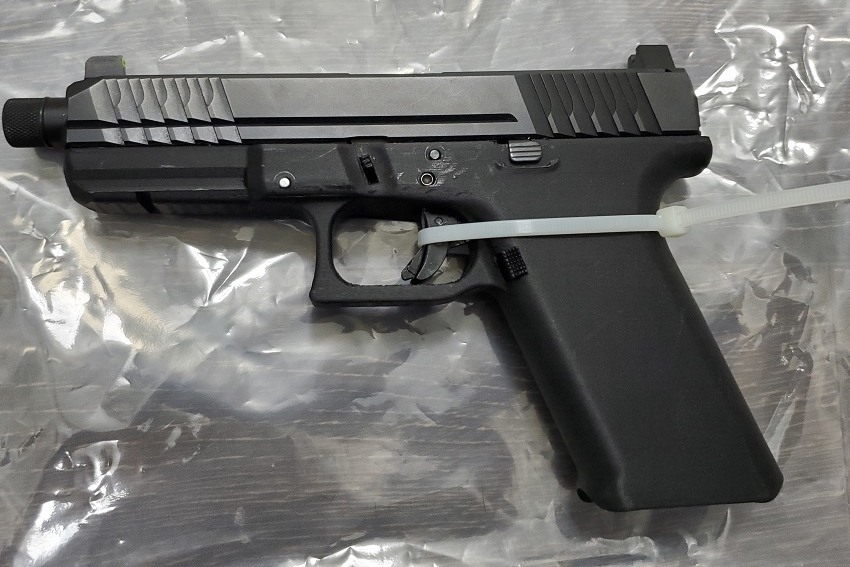
The Ninth Circuit’s decision is a textbook example of how standing doctrine can do more heavy lifting for the Second Amendment than any new statute. By ruling that California and the Giffords Law Center lacked the concrete, particularized injury needed to sue ATF for not regulating “ghost guns” aggressively enough, the panel slammed the courthouse door on what was essentially a policy disagreement dressed up as a legal claim. In practical terms, the court told activist plaintiffs they cannot conscript federal judges into tightening rules that Congress and the executive branch have already set. That matters, because it prevents anti-gun litigants from using friendly districts to bootstrap nationwide restrictions through the courts when the political process stalls.
For the 2A community the ruling is both shield and blueprint. It underscores that finished firearms made by individuals for personal use remain outside the Gun Control Act’s licensing regime unless they cross into commercial activity—an important clarification after ATF’s 2022 final rule tried to stretch the definition of “firearm” and “frame or receiver.” More broadly, the decision signals that courts are increasingly unwilling to let states and advocacy groups litigate by proxy when their alleged injuries are nothing more than “we disagree with federal policy.” That precedent could blunt future attempts to challenge ATF inaction on pistol braces, forced-reset triggers, or other items where the regulatory appetite in Sacramento or Manhattan exceeds what the law actually allows.
Strategically, the win also buys time. While the Ninth Circuit’s opinion is narrow, its reasoning travels: if California cannot force ATF to regulate more, it becomes harder for the same plaintiffs to argue that ATF must regulate less when a future administration reconsiders the 2022 rule. The opinion quietly reinforces that the political branches, not district courts, set the scope of federal firearms regulation—an outcome that keeps policy fights where they belong and keeps individual makers inside the lane the Constitution already protects.


