

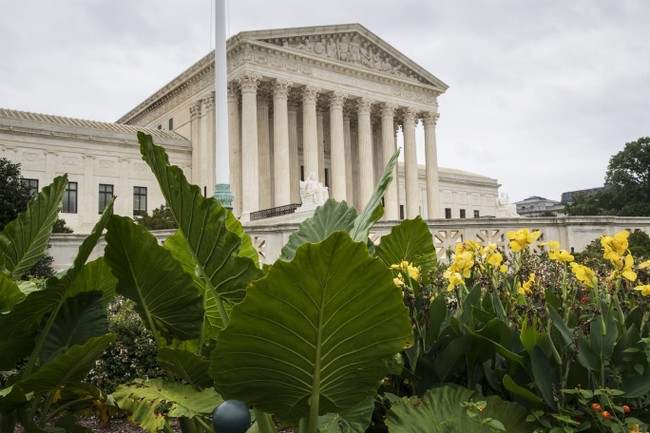
A Ninth Circuit judge’s call for the Supreme Court to deliver a “benchslap” to lower courts that keep defying Bruen is more than judicial theater—it’s a flashing warning light that the post-Bruen landscape is fracturing. When an appellate judge publicly admits that some colleagues are still applying interest-balancing tests the high court explicitly rejected, it signals that the Second Amendment’s new standard is being treated as optional in certain circuits. That kind of institutional resistance doesn’t just slow cases; it forces law-abiding citizens to litigate the same constitutional questions over and over while carry permits, magazine bans, and “sensitive place” restrictions remain in legal limbo.
The practical fallout lands squarely on gun owners who must navigate a patchwork of rulings that change with every new panel or district judge. Massachusetts’ restrictions on armed self-defense, for example, now sit in a gray zone where one court’s reading of history can nullify another’s, leaving permit holders unsure whether their training, holster choice, or even the act of carrying itself could trigger enforcement. Meanwhile, data from groups like Everytown inadvertently undercuts the very policies being defended in these courts, showing that many touted gun-control measures produce negligible or even counterproductive effects on crime—yet the litigation grind continues because lower courts refuse to treat the historical record as the controlling metric Bruen demanded.
For the broader 2A community, the judge’s blunt language is both validation and a call to keep the pressure on. Each new petition that reaches the Supreme Court is no longer just about one statute; it’s a referendum on whether the judiciary will enforce a uniform constitutional floor or allow geographic roulette to persist. If the Court accepts the invitation to correct wayward circuits, the result could be faster, more predictable victories on magazine capacity, carry restrictions, and sensitive-place rules. If it stays silent, the message to activists and legislators will be unmistakable: keep pushing novel restrictions and dare the courts to stop you. Either way, the next round of litigation will determine whether Bruen was a turning point or merely the start of another decade-long trench war.


