

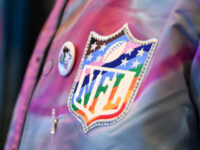
The NFL’s decision to skip the usual rainbow fanfare on June 1 wasn’t an accident; it was a calculated pause after years of corporate pride campaigns that alienated large chunks of its paying audience. League executives have watched attendance and TV ratings wobble whenever social-issue messaging crowds out the on-field product, and the same demographic that buys the most jerseys and game tickets also tends to favor the Second Amendment. By staying silent, the league quietly acknowledged that virtue-signaling carries a cost in a sport whose core consumers already feel culturally sidelined by coastal messaging.
For the 2A community, the moment is instructive. Sports leagues learned the hard way that reflexive alignment with one side of the culture war invites boycotts, empty seats, and sponsor pull-outs; the same principle applies to banks, insurers, and retailers that once rushed to stigmatize lawful gun owners. When institutions step back from performative activism, it creates breathing room for neutral, merit-based policies—including the recognition that millions of ticket-holders and season-pass subscribers are also lawful carriers who expect their rights to be treated with the same deference as any other civil liberty.
The larger takeaway is that consumer pressure works. Firearm owners who redirected dollars away from overtly anti-2A brands helped force a recalibration; similar pushback against politicized sports branding is now yielding the same result. If the NFL’s muted Pride kickoff signals a broader retreat from identity politics, the firearms community should treat it as validation that sustained, market-driven pushback can restore institutions to their original lane—entertainment and competition—rather than cultural score-settling.


