

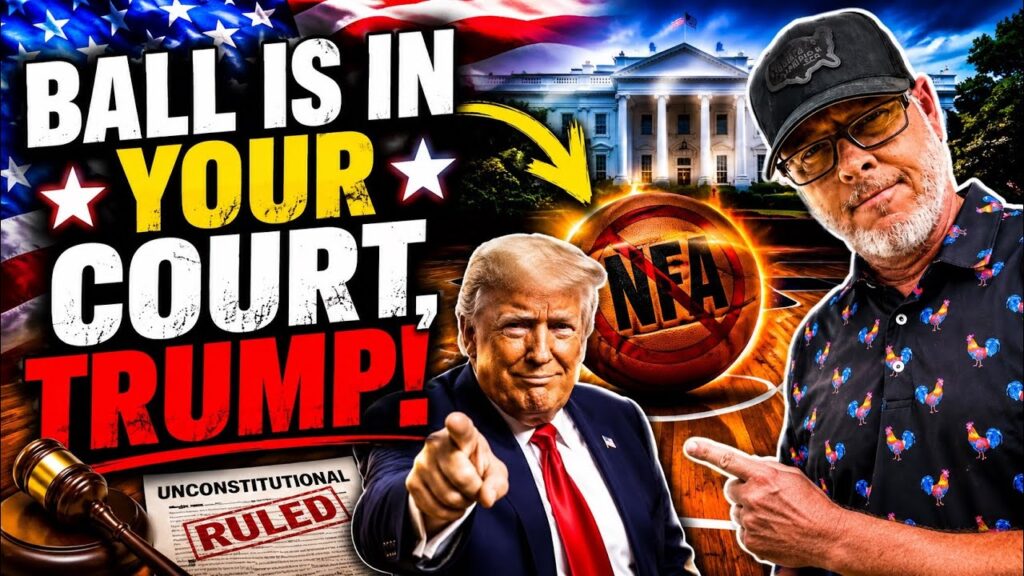
A federal court in Texas just handed the gun-control crowd a stinging defeat by striking down the registration requirements that have long served as the backbone of the National Firearms Act. The ruling doesn’t merely erase a $200 tax; it guts the very mechanism the government has used for nearly a century to track and, when convenient, criminalize otherwise law-abiding citizens who simply wanted to own a short-barreled rifle or a suppressor. With the registration scheme now on life support, the practical effect is that millions of Americans who once had to beg permission slips from the ATF may soon be able to exercise their rights without first surrendering their personal data to a federal database that has already proven vulnerable to leaks and political weaponization.
What makes this decision especially potent is its timing. The Biden-era DOJ spent four years expanding the NFA’s reach through new pistol-brace rules and aggressive enforcement letters; now a single district-court opinion threatens to unwind that entire architecture. If the ruling survives appeal—and early signals suggest the Fifth Circuit is no friend to gun-control—it will force the incoming Trump administration to decide whether it wants to spend political capital defending a registration regime that even many moderate gun owners view as an unconstitutional prior restraint. History shows that once a paperwork requirement falls, the enforcement apparatus built around it rarely recovers; the Hughes Amendment’s machine-gun freeze survived only because registration itself remained intact. Remove the registry, and the practical ability to prosecute millions of newly non-compliant owners evaporates overnight.
For the broader Second-Amendment community, the Texas decision is both vindication and a warning shot. It proves that persistent litigation can still chip away at New-Deal-era restrictions long thought untouchable, yet it also underscores how fragile paper victories can be without a DOJ willing to stand down. If Trump’s incoming team chooses to appeal rather than acquiesce, they risk looking like the very “government is always right” crowd they campaigned against. Conversely, if they let the ruling stand, they hand the grassroots a tangible win that could accelerate challenges to the GCA’s entire licensing structure. Either way, the Overton window on what constitutes a “reasonable” gun law just shifted several inches to the right—and the ATF’s once-feared registration dragnet may soon be little more than a dusty shelf of unworkable forms.


