

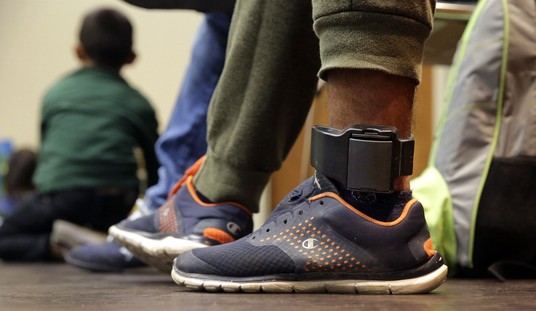
In New Orleans, a string of brazen carjackings has exposed a glaring failure in the city’s juvenile-justice experiment: several of the suspects were already wearing ankle monitors when they allegedly struck. Instead of keeping dangerous teens off the streets, electronic monitoring has become little more than an expensive prop—signals ping, but consequences never land. For law-abiding gun owners, the lesson is immediate and personal: when the system refuses to incapacitate predators, the burden of self-defense shifts squarely onto the citizen with a lawfully carried firearm.
The numbers tell the story. NOPD data show carjackings up more than 80 percent in the last two years, with a disproportionate share committed by juveniles who cycle through ankle-bracelet programs that lack swift revocation or meaningful detention. Prosecutors and judges appear more interested in avoiding “disproportionate” confinement than in protecting the public, leaving residents—especially those in high-crime corridors—to navigate daily life under the constant threat of armed robbery. In such an environment, the Second Amendment isn’t an abstract right; it is the only reliable backstop when ankle monitors and progressive policies fail to deliver deterrence.
For the 2A community, this episode underscores why shall-issue carry, constitutional carry, and strong castle-doctrine statutes matter. When cities treat violent teens as untouchable social-work clients rather than accountable offenders, armed self-reliance becomes the rational response. Lawmakers who weaken pretrial detention or hamstring police while simultaneously pushing gun-control measures are effectively disarming the very people their policies have left most exposed.


