

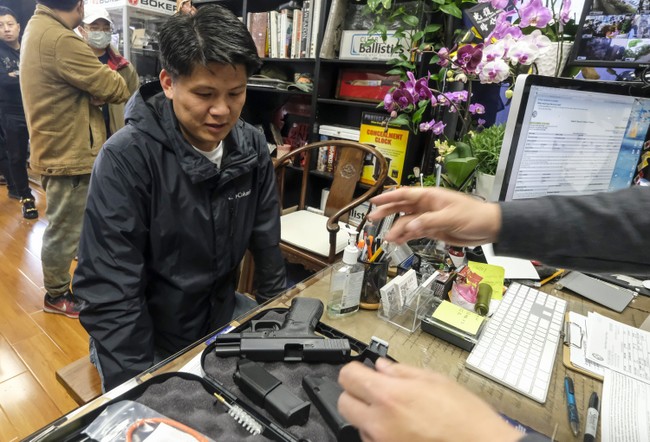
The lawsuit filed against Illinois’ 72-hour waiting period is more than a procedural challenge—it’s a direct test of whether states can continue to treat the Second Amendment as a second-class right subject to bureaucratic delays that have no historical analogue. Plaintiffs argue that forcing law-abiding citizens to wait three days after passing a background check serves no public-safety purpose once the government has already cleared the buyer, turning a constitutional right into a government-controlled privilege. This mirrors the post-Bruen landscape where courts are finally being asked to demand real historical evidence rather than policy preferences dressed up as “sensitive places” or “time, place, and manner” restrictions.
For the 2A community the case carries immediate tactical weight: a favorable ruling would chip away at one of the most common post-purchase hurdles still on the books, while a loss could embolden other states to layer on similar delays under the guise of “cooling-off” periods. Either outcome will feed directly into the next round of litigation testing permitless carry, magazine restrictions, and red-flag laws, because the same historical-analogue test will apply. Watch how Illinois tries to justify the wait with crime data that conveniently ignores the fact that prohibited persons are already screened out; that evidentiary gap is exactly where the plaintiffs can drive a truck through the state’s defense.
If the court strikes down the waiting period, expect a swift wave of copycat suits in California, New York, and New Jersey, turning what looks like a narrow Illinois dispute into a national precedent on whether the right to keep and bear arms includes the right to acquire arms without artificial, post-approval delays.


