

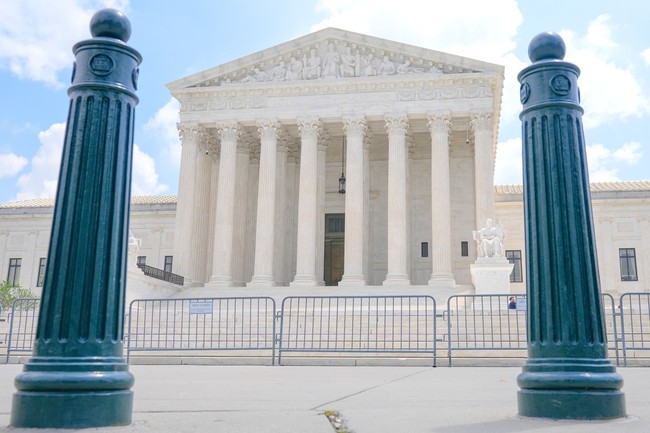
New Jersey’s latest attempt to criminalize the sharing of 3D-printed firearm files is now before the Supreme Court, and the stakes are far higher than a single state’s statute. The case turns on whether computer code that describes the shape of a firearm component is “speech” protected by the First Amendment—an argument that, if accepted, would place digital gun designs on the same constitutional footing as books, blueprints, and open-source software. For the gun-control lobby the play is obvious: if you can’t ban the guns, ban the conversation about how to make them. Yet the logic quickly unravels; once government may outlaw the publication of digital instructions for lawful objects, every CNC program, reloading manual, and CAD file becomes fair game for prior restraint.
The deeper implication for Second Amendment advocates is that this is not merely a tech-censorship case wearing a gun-rights costume. If the Court blesses New Jersey’s theory, states could criminalize the transfer of any information that might assist in the “manufacture” of arms, effectively licensing the press whenever firearms are involved. That would invert the founding-era understanding that the people themselves—not the government—are the ultimate check on tyranny precisely because they retain both the right to keep and the practical ability to make arms. Conversely, a ruling that code is speech would slam the door on a growing menu of state-level “ghost gun” and “3D gun” prohibitions that try to evade Heller and Bruen by targeting files instead of metal and polymer.
For the 2A community the lesson is strategic as well as legal: the next frontier of gun control will be fought in the intangible realm of data, licenses, and terms-of-service rather than at the point of sale. Groups already archiving files on decentralized networks and experimenting with blockchain distribution are effectively stress-testing the resilience of the movement against state choke points. Whether the Supreme Court ultimately treats those files as protected expression or regulable “dangerous instrumentalities” will determine whether the right to keep and bear arms can survive an age when the most important tools are lines of code rather than finished receivers.


