

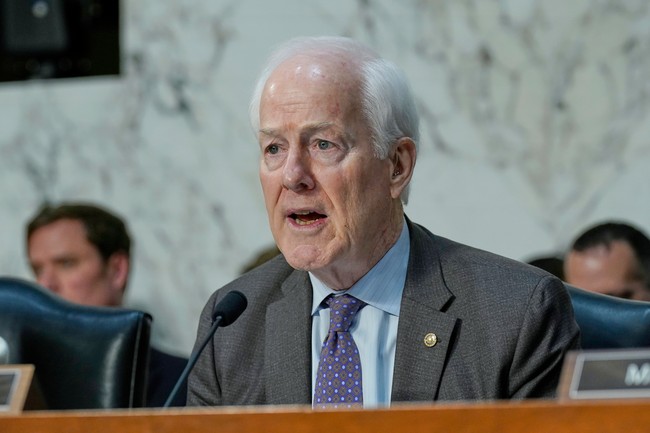
Sen. John Cornyn’s new legislation arrives at a moment when the gun-control bar has grown increasingly creative in its attempts to bankrupt the firearms industry through novel liability theories. Rather than waiting for the next wave of copycat suits that treat every manufacturer as a public-nuisance defendant, the Texas Republican is tightening the screws on the 2005 Protection of Lawful Commerce in Arms Act by clarifying that novel state-law claims cannot be used as an end-run around congressional intent. The move is notable because Cornyn has historically been viewed as a deal-maker rather than a firebrand, yet here he is front-loading a bill that treats the right to keep and bear arms as an economic reality, not merely a constitutional talking point.
For the 2A community the stakes are straightforward: every frivolous lawsuit that survives a motion to dismiss consumes discovery costs, insurance premiums, and management bandwidth that would otherwise go into R&D or price competition. By raising the bar for plaintiffs to show an actual, knowing violation of law rather than a creative “foreseeability” argument, Cornyn’s measure would shrink the settlement pressure that has already driven several smaller importers and component makers out of business. That, in turn, preserves the diversity of products—from entry-level defensive pistols to precision rifles—that keeps civilian marksmanship affordable and innovation brisk.
Critics will frame the bill as special-interest protection, but the data show the opposite pattern: jurisdictions that have experimented with the most aggressive liability regimes have seen both violent crime and compliance costs rise, while lawful gun owners bear higher prices and reduced choice. Cornyn’s proposal therefore functions less as a shield for corporations and more as a litigation firewall that keeps policy disputes inside legislatures—where voters, not judges, decide the contours of the Second Amendment.


