

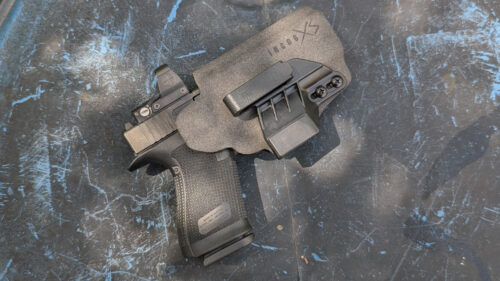
The latest polling data reveals a striking shift in American behavior: nearly one in three general-election voters now reports carrying a concealed handgun at least occasionally, a figure that has climbed sharply since December 2024. This isn’t just a statistical blip; it reflects a deeper cultural recalibration where personal responsibility for self-defense is becoming normalized rather than exceptional. What was once the province of rural enthusiasts or security professionals has migrated into suburban commuters, small-business owners, and even urban professionals who view a holstered sidearm as standard equipment alongside a phone and keys.
For the 2A community, these numbers validate years of legislative and cultural work. Permitless-carry victories, the proliferation of quality compact pistols, and a training ecosystem that has made competence more accessible have all contributed to lowering the barrier to entry. The data also suggests that the post-2020 crime spike and uneven policing in certain cities accelerated a trend already underway, turning latent interest into active practice. Gun owners who once felt isolated now see themselves as part of a growing, politically engaged constituency whose daily habits are reshaping both policy debates and industry priorities.
The implications extend beyond holster counts. A larger pool of carriers means greater demand for training that emphasizes de-escalation and legal literacy, not just marksmanship. It also pressures manufacturers to refine everyday-carry ergonomics and pushes insurers and employers to confront the reality of armed customers and employees. Most importantly, the survey underscores that the right to bear arms is moving from abstract principle to lived routine for millions, reinforcing the argument that an armed citizenry is not a hypothetical deterrent but a measurable presence in American life.


