

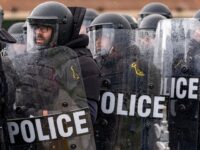
In a recent segment on MS NOW, commentator Daniels expressed concern that law enforcement might escalate tensions at a New Jersey ICE facility, framing the potential flashpoint as one driven by officers rather than by the individuals detained or the activists surrounding the site. The remark lands in a climate where progressive media increasingly casts federal immigration enforcement as the aggressor, even as ICE officers operate under court orders and face documented resistance ranging from physical blockades to coordinated protests that have turned violent in other jurisdictions. For the 2A community, the subtext is unmistakable: when commentators preemptively shift blame onto police before any incident occurs, they are laying rhetorical groundwork to delegitimize armed self-defense or lawful use of force if officers are compelled to protect federal property or personnel.
That framing matters because immigration enforcement facilities have already become targets for organized disruption, and several states have seen attempts to interfere with detainee transfers or to swarm perimeter security. Gun owners who follow these stories recognize the pattern—media narratives that paint law enforcement as the instigators often precede policy pushes to restrict the tools officers rely on, from less-lethal munitions to standard-issue firearms. In New Jersey, where permitting for carry is already among the most restrictive in the nation, any manufactured “escalation” story could be weaponized to justify further limits on both civilian carry and the equipment available to federal agents operating inside state lines.
The deeper implication is that 2A advocates must treat immigration-enforcement flashpoints as part of the same continuum that includes red-flag laws, magazine bans, and qualified-immunity challenges: each begins with a narrative that presumes government actors are the problem and ends with proposals that disarm or hamstring those charged with maintaining order. When a national cable outlet signals worry about “the police side” before facts emerge, the 2A community should read it as an early warning that the next restriction may be dressed up as concern for public safety rather than an admission that enforcing federal law has become politically inconvenient.


