

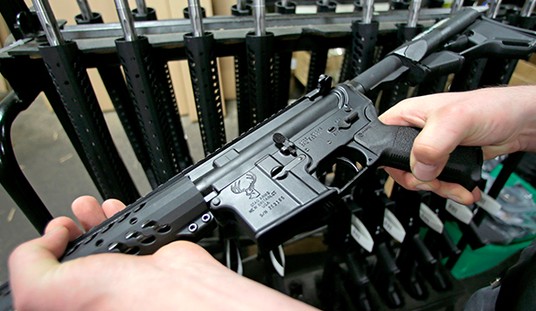
In a powerful display of nullification gaining momentum across the Old Dominion, a growing coalition of Virginia prosecutors and sheriffs has publicly declared they will not enforce the state’s sweeping “assault firearm” ban set to take effect July 1, 2026. This isn’t quiet bureaucratic foot-dragging; these are elected officials looking constituents in the eye and refusing to turn law-abiding Virginians into felons for owning the most popular rifles in America. The resistance highlights a fundamental fracture in Virginia politics: progressive majorities in Richmond keep passing gun control that rural and suburban localities simply will not accept, creating a patchwork of enforcement that renders the law largely symbolic in much of the state.
This development carries enormous implications for the Second Amendment community nationwide. Virginia, once a battleground turned deep-blue on firearms policy after aggressive Democratic gerrymandering and massive Northern Virginia population influx, is now showing the limits of top-down gun control. When sheriffs and commonwealth’s attorneys—who actually control day-to-day charging decisions—refuse to play ball, the law becomes theater. It also serves as a blueprint for other states facing similar legislative assaults. The message is clear: passing laws is one thing, but forcing local elected officials to betray their oath and their communities is another. Many of these officials correctly recognize that “assault firearm” bans criminalize the exercise of a fundamental right while doing nothing to address actual crime, which continues to plague Democrat-controlled cities.
For gun owners, this stand offers both hope and a warning. Hope that constitutional resistance at the local level can blunt unconstitutional overreach, and a warning that the fight is far from over. Expect the usual suspects in Richmond and the national media to scream about “lawlessness” while conveniently ignoring the fact that these officials are upholding their oaths to the U.S. and Virginia Constitutions against legislation that many legal scholars view as blatantly incompatible with Bruen. The coming years in Virginia will be a fascinating case study in whether the Second Amendment can still be defended through the political and law enforcement processes, or whether the only remaining recourse will be the courts and the ballot box. One thing is certain: Virginia’s armed citizens are watching closely, and they’re not surrendering their rifles.


