

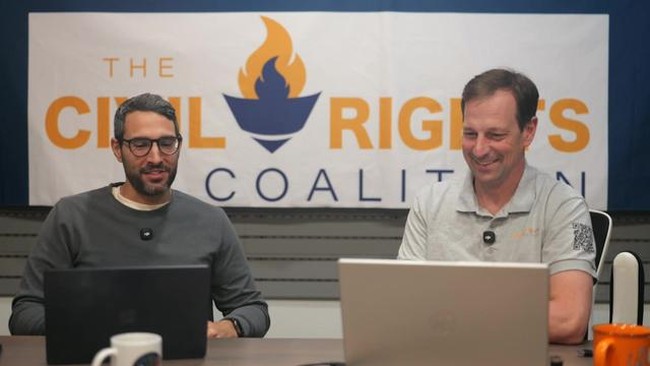
In a state where Beacon Hill has long treated lawful gun owners as the default threat, Mike Urban’s appearance on RapidFire Radio cuts through the usual fog with a clarity that resonates far beyond Massachusetts. The Memorial Drive shooting isn’t just another tragic headline; it’s a textbook case of how policies that handcuff law-abiding citizens while coddling repeat offenders create the very conditions they claim to prevent. Urban’s breakdown of Chapter 135 and the push for mandatory minimums highlights a legislative mindset that views self-defense as suspect rather than a fundamental right, forcing residents to navigate a patchwork of restrictions that punish compliance more than they deter crime. For the 2A community, this isn’t abstract policy debate—it’s a daily reality where the right to bear arms is chipped away under the guise of public safety, even as data shows that criminals ignore these laws with impunity.
What makes the conversation particularly sharp is its connection of gun policy to the broader exodus of people and businesses fleeing Massachusetts. Rising costs, rent control experiments, unchecked spending, and the lack of legislative transparency aren’t isolated issues; they form a pattern where Beacon Hill prioritizes control over accountability, whether it’s auditing itself or addressing illegal immigration’s strain on public resources. Urban’s point lands with particular weight for gun owners: when government fails to secure borders or prosecute violent offenders, it simultaneously restricts the tools citizens might use to protect themselves, creating a double bind that erodes both safety and liberty. The frustration bubbling up isn’t partisan noise—it’s the recognition that policies designed to “do something” about guns consistently miss the mark on actual threats, leaving law-abiding residents to bear the consequences.
For the 2A community watching from across the country, Massachusetts serves as both a warning and a rallying point. The state’s approach—layering restrictions on the responsible while shielding the dangerous—illustrates how quickly public safety rhetoric can morph into systematic disarmament when paired with one-party dominance and minimal oversight. Yet the growing attention Urban describes suggests a tipping point: as more residents connect the dots between failed policies on crime, spending, and self-defense, the pushback could reshape not just local races but the national conversation about rights versus regulation. In a landscape where repeat offenders cycle through revolving doors and lawful carriers face ever-tighter rules, the message is clear—rights exercised are rights preserved, and silence only accelerates the erosion.


