

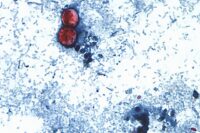
Michigan’s first two fatalities from a rare, diarrhea-causing parasite have public-health officials scrambling to trace the source, but the episode also underscores a deeper truth: when government agencies are stretched thin, the individual’s ability to protect and provide for his own household becomes the last line of defense. The victims—both immunocompromised—succumbed to complications from Cyclospora cayetanensis, a microscopic invader usually linked to imported produce. While the Michigan Department of Health and Human Services hunts for the contaminated batch, the episode reminds Second Amendment supporters that personal preparedness isn’t limited to firearms; it extends to water filtration, food sourcing, and the skills needed to weather supply-chain disruptions or bureaucratic delays.
For the 2A community, the takeaway is straightforward: rights and responsibilities travel together. Just as an armed citizen trains to respond when seconds count, a prepared citizen maintains the tools and knowledge to safeguard health when agencies move at their own pace. Stocking medical-grade water filters, cultivating relationships with local growers, and staying current on regional advisories are quiet but potent expressions of the same self-reliance that underpins the right to keep and bear arms. In an era when headlines can shift from “imported salad mix” to “life-threatening outbreak” overnight, that mindset isn’t paranoia—it’s prudence.
Ultimately, the Michigan cases are a small data point with an outsized lesson: freedom thrives when citizens refuse to outsource every contingency to the state. Whether the threat is a microscopic parasite or something more kinetic, the principle remains unchanged—those who can, should.


