

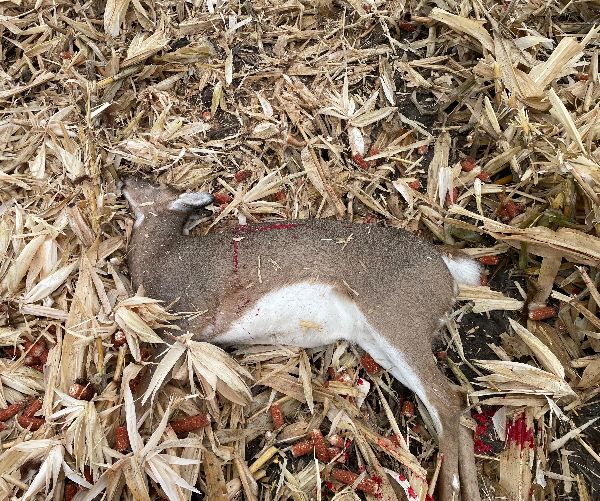
A 26-year-old Michigan man now faces fifty separate counts after conservation officers traced a string of nighttime deer shootings back to his vehicle, turning what began as a single poaching tip into a sweeping case that bundles felony weapons charges with wildlife violations. The sheer volume of counts—reckless discharge, illegal night hunting, and multiple Wildlife Conservation Order breaches—illustrates how quickly one person’s disregard for both safety rules and game laws can snowball into a legal nightmare that tars every lawful gun owner in the state. For the 2A community, the episode is a reminder that optics matter: when a single case piles up fifty charges, anti-gun media rarely distinguish between a habitual scofflaw and the millions of hunters who follow every regulation, so the narrative risk lands on all of us.
Beyond the headlines, the investigation shows how modern enforcement tools—hotlines, night-vision patrols, and inter-county coordination—are shrinking the space where illegal hunters once operated with impunity. That’s a double-edged sword; while legitimate sportsmen benefit from cleaner fields and restored public trust, the same apparatus can be repurposed if political winds shift toward broader restrictions on vehicle-borne hunting or after-dark pest control. The takeaway is straightforward: the fastest way to keep those tools aimed at real criminals rather than law-abiding owners is to keep our own house spotless—report blatant violations, mentor new hunters on the rules, and make clear that reckless behavior hurts the entire shooting culture, not just the individual caught in the crosshairs.


