

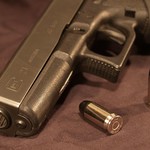
Maryland’s legal team is already scrambling to defend Senate Bill 334’s sweeping Glock ban, and the state’s response brief reads like a greatest-hits reel of every anti-gun talking point that’s been trotted out since the 1990s. Rather than confront the core constitutional question—whether a popular, widely owned pistol platform can simply be legislated out of existence—the state leans on tired “common-use” gymnastics and recycled public-safety rhetoric that conveniently ignores Glock’s dominance in both law-enforcement and civilian markets. By treating the most popular handgun in America as some exotic outlier, Maryland is betting the courts will buy the same sleight-of-hand that failed in California and New York, yet the lawsuit’s plaintiffs have already lined up sales data, ATF trace numbers, and manufacturer records showing Glocks are anything but “unusual.”
What makes this case especially dangerous for the broader 2A community is the precedent it could set for incremental disarmament by brand rather than by function. If a state can outlaw an entire manufacturer’s product line simply because it’s popular and polymer-framed, then tomorrow’s target could be any striker-fired pistol that happens to outsell its competitors. The ripple effects would reach far beyond Maryland: manufacturers might self-censor designs, distributors could pull inventory from entire regions, and law-abiding carriers would face a patchwork of “approved handgun” lists that function as de-facto registration schemes. For now, the plaintiffs have the stronger textual and historical argument under Bruen, but the stakes are higher than one model of pistol—they’re testing whether the Second Amendment still protects the arms Americans actually choose to own.


