

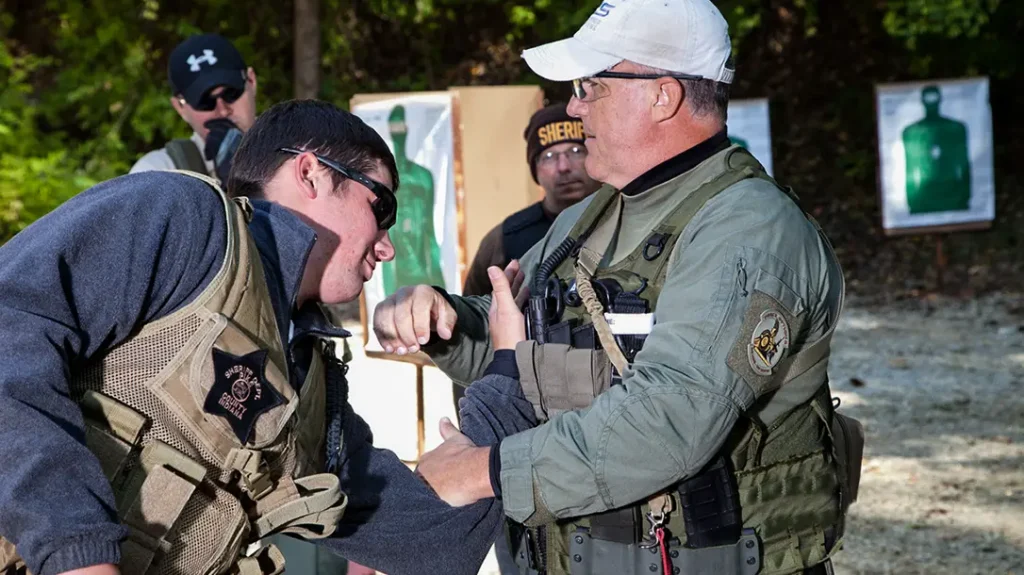
Martial arts training has long been a force multiplier for officers who already carry the ultimate equalizer on their belt, yet the real value emerges when that training is viewed through a distinctly pro-2A lens. Rather than treating empty-hand skills as a substitute for the firearm, the smartest agencies now treat them as the critical bridge that keeps an officer’s gun in the holster until lethal force is truly justified—an approach that directly supports the Second Amendment by demonstrating responsible, layered use of force instead of painting every encounter as a potential shoot. When departments invest in systems that emphasize weapon retention, rapid decision-making under stress, and seamless transitions from hands to holster, they reduce both liability and the political ammunition handed to anti-gun activists who love to highlight “unarmed” encounters.
For the broader 2A community the lesson is even clearer: the same logic applies to lawfully armed citizens. A concealed-carry permit is only as good as the judgment and physical composure of the person holding it, so supplementing marksmanship with practical combatives—whether Brazilian jiu-jitsu for ground survival, Krav Maga for weapon-aware striking, or hybrid programs tailored to law enforcement—creates a more credible, defensible profile for every gun owner. Departments that adopt these programs quietly validate the argument that trained, armed individuals enhance public safety rather than threaten it, giving grassroots advocates fresh data points to cite when legislators attempt to portray permit holders as untrained vigilantes. In short, the best martial art for law enforcement isn’t the one that replaces the gun; it’s the one that protects the constitutional right to carry it by ensuring it’s used only when every lesser option has been exhausted.


