

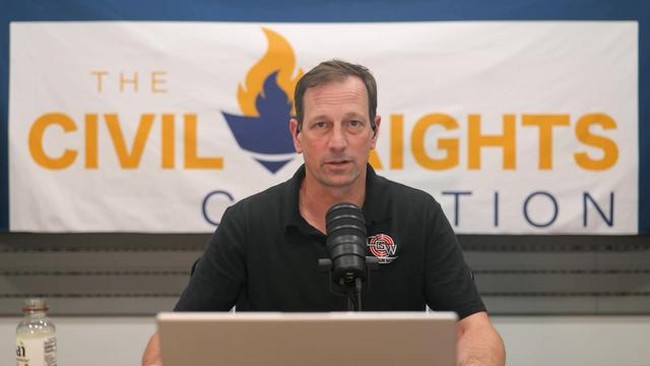
Mark Smith’s appearance on RapidFire Radio lands at a moment when the Second Amendment’s legal battlefield is shifting from broad philosophical clashes to granular questions of enforcement and personnel. While the Supreme Court’s reluctance to grant cert on a major AR-15 ban case frustrates many owners, Smith correctly notes that the Court is playing a longer game—waiting for circuits to create the kind of square conflict that forces a clean national rule rather than a narrow Massachusetts-specific holding. That strategic patience matters because lower-court rulings on “sensitive places,” magazine capacity, and the definition of “common use” are already baking in precedents that will either handcuff or handcuff-proof future restrictions once the High Court does step in.
The real near-term leverage, Smith argues, sits inside federal agencies rather than on the marble steps of One First Street. Career officials at the ATF and DOJ set the tone for tracing, importation, and “engaged in the business” interpretations that can throttle or unleash enforcement without a single new statute. With a change in administration or even mid-level personnel turnover, those discretionary choke points can swing dramatically—something the 2A community has learned the hard way through pistol-brace and forced-reset-trigger rules. Massachusetts’ Chapter 135 fight and the Civil Rights Coalition’s ballot push illustrate the same principle at the state level: when activists force gun-control measures onto the ballot or into statute books, they also create fresh vehicles for as-applied challenges that keep anti-gun laws in perpetual legal limbo.
For gun owners, the takeaway is that momentum is less about one blockbuster Supreme Court win and more about sustained pressure across three fronts—personnel, procedure, and public messaging. Every vacancy at ATF headquarters, every state ballot initiative, and every new “assault weapon” definition becomes another data point that either strengthens or weakens the next cert petition. Smith’s optimism is therefore conditional: the legal terrain is tilting toward the Second Amendment only if advocates treat these micro-battles with the same seriousness once reserved for Supreme Court arguments alone.


