

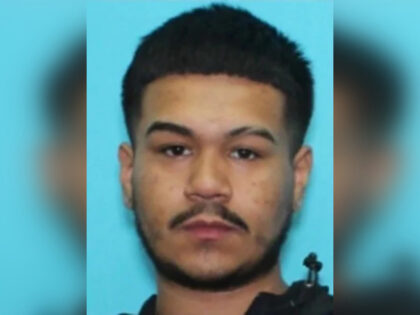
The manhunt for 22-year-old Oscar Sanchez-Munoz in Kansas City is a stark reminder that the real threat to public safety isn’t the millions of law-abiding gun owners who exercise their Second Amendment rights every day—it’s the tiny fraction of criminals who ignore every law on the books. While the FBI’s $25,000 reward signals serious federal resources, the underlying story is the same one we see after nearly every high-profile shooting: a prohibited person or repeat offender who should never have been on the street in the first place. The 2A community has long argued that enforcement, not new restrictions, is the missing piece; this case appears to reinforce that point rather than contradict it.
What makes the episode especially relevant to gun owners is how quickly media narratives pivot from the suspect’s identity and criminal history to calls for broader controls that would only burden the compliant. Sanchez-Munoz’s flight and the subsequent reward suggest authorities already view him as a clear and present danger, yet the policy debate that follows rarely focuses on why someone with his background was free to acquire a firearm or why prior encounters with the justice system failed to incapacitate him. For Second Amendment supporters, the takeaway is straightforward: prosecute the predators aggressively, close the revolving door of catch-and-release prosecution, and stop pretending that additional paperwork for lawful citizens will magically disarm the determined criminal.
The larger implication is that every manhunt like this becomes a stress test for the narrative that “more guns equal more crime.” Data from shall-issue and constitutional-carry states continue to show that expanded carry rights have not produced the bloodbath once predicted; instead, the violence clusters around jurisdictions where prosecution is lax and recidivists cycle through the system. Until policymakers treat armed self-defense as a civic virtue rather than a social problem, stories like the Kansas City manhunt will keep surfacing—not as evidence against the right to keep and bear arms, but as proof that the right is most valuable precisely when government fails to protect its citizens.


